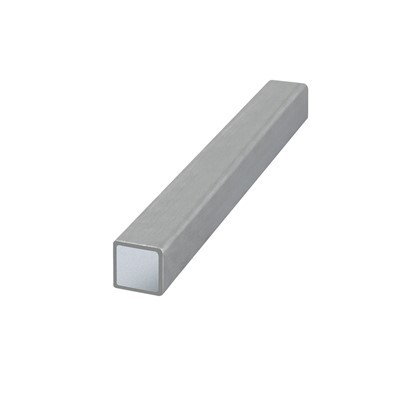
As a supplier of Lead - Silver - Calcium - Cesium Anode Plates, I've received numerous inquiries about how our products perform in high - humidity environments. This is a crucial question, as many industrial applications where these anode plates are used may encounter such conditions. In this blog, I'll delve into the performance of our Lead - Silver - Calcium - Cesium Anode Plates in high - humidity settings, comparing them with other types of anode plates along the way.
1. Characteristics of Lead - Silver - Calcium - Cesium Anode Plates
Before discussing their performance in high - humidity environments, let's first understand the basic characteristics of Lead - Silver - Calcium - Cesium Anode Plates. These anode plates are an advanced product in the field of electrochemistry. The addition of silver can improve the conductivity of the anode plate, making the electrochemical reaction more efficient. Calcium helps to enhance the mechanical strength of the plate, reducing the risk of deformation during use. Cesium, on the other hand, can optimize the surface properties of the anode plate, which is beneficial for the stability of the reaction.
2. Performance in High - Humidity Environments
2.1 Corrosion Resistance
In high - humidity environments, corrosion is one of the most significant challenges for anode plates. Our Lead - Silver - Calcium - Cesium Anode Plates have excellent corrosion resistance. The combination of these four elements forms a dense protective film on the surface of the anode plate. This film can effectively prevent moisture and oxygen from contacting the internal metal, thus reducing the rate of corrosion.
Compared with Lead - Antimony Anode Plate, our product shows better corrosion resistance in high - humidity conditions. Lead - Antimony Anode Plates may be more prone to corrosion due to the presence of antimony, which can react with moisture and oxygen in the air to form various compounds, accelerating the corrosion process.
2.2 Conductivity Stability
Maintaining stable conductivity is crucial for the normal operation of anode plates. In high - humidity environments, the conductivity of some anode plates may be affected by the formation of moisture films on the surface. However, our Lead - Silver - Calcium - Cesium Anode Plates can maintain relatively stable conductivity. The silver in the anode plate ensures good electrical conductivity, and the surface - optimizing effect of cesium helps to reduce the impact of moisture on conductivity.
In contrast, Titanium - based Anode Plate may experience a decrease in conductivity in high - humidity environments. Titanium has a certain degree of passivation in the air, and the presence of moisture may further affect the electrical contact between the anode plate and the electrolyte, leading to a decline in conductivity.
2.3 Reaction Stability
High - humidity environments may also affect the stability of the electrochemical reaction on the anode plate. Our Lead - Silver - Calcium - Cesium Anode Plates can maintain a stable reaction rate. The optimized surface properties of cesium can promote the uniform distribution of the reaction, reducing the occurrence of local over - reaction or under - reaction.
The New - Type Titanium Anode Plate With Manganese Dioxide Coating may face challenges in high - humidity environments. The manganese dioxide coating may be affected by moisture, leading to changes in its catalytic activity and thus affecting the stability of the electrochemical reaction.
3. Factors Affecting Performance in High - Humidity Environments
3.1 Humidity Level
The performance of our Lead - Silver - Calcium - Cesium Anode Plates is closely related to the humidity level. At relatively low humidity levels (e.g., 50% - 60% relative humidity), the impact on the anode plate is relatively small. The protective film on the surface can still effectively resist the intrusion of moisture. However, when the humidity level is very high (e.g., above 80% relative humidity), although the anode plate can still maintain good performance, the corrosion rate may increase slightly, and the conductivity may also be affected to a certain extent.
3.2 Temperature
Temperature also plays an important role in high - humidity environments. Higher temperatures can accelerate the chemical reaction rate. In high - humidity and high - temperature environments, the corrosion rate of the anode plate may increase, and the stability of the electrochemical reaction may also be affected. Therefore, when using our anode plates in high - humidity environments, it is necessary to consider the temperature factor and take appropriate measures to control the temperature.


3.3 Chemical Composition of the Environment
The chemical composition of the surrounding environment can also affect the performance of the anode plate. For example, if there are some corrosive gases or ions in the air, they may react with the anode plate, accelerating the corrosion process. Therefore, in industrial applications, it is necessary to ensure that the environment where the anode plate is used is as clean as possible.
4. Application Cases in High - Humidity Environments
Our Lead - Silver - Calcium - Cesium Anode Plates have been widely used in some industries with high - humidity environments. For example, in the electroplating industry, where high - humidity conditions are common, our anode plates can ensure stable electroplating quality. The stable conductivity and reaction stability of the anode plates help to achieve uniform plating thickness and good surface quality.
In the wastewater treatment industry, high - humidity environments are also often encountered. Our anode plates can be used in electrochemical wastewater treatment processes. Their excellent corrosion resistance and reaction stability ensure the long - term and efficient operation of the treatment system.
5. Conclusion and Call to Action
In conclusion, our Lead - Silver - Calcium - Cesium Anode Plates perform excellently in high - humidity environments. They have good corrosion resistance, conductivity stability, and reaction stability, which are superior to many other types of anode plates. Whether in the electroplating industry, wastewater treatment industry, or other industries with high - humidity requirements, our products can meet your needs.
If you are interested in our Lead - Silver - Calcium - Cesium Anode Plates and want to know more about their performance, price, or other details, please feel free to contact us for procurement and negotiation. We are committed to providing you with high - quality products and excellent service.
References
- Electrochemical Engineering Handbook, edited by some well - known experts in the field.
- Research papers on anode plate performance in high - humidity environments published in relevant scientific journals.