


Hey there! As a supplier of titanium cathode plates, I'm super stoked to chat about how these nifty plates contribute to energy savings in electrolysis. Electrolysis is a process that uses an electric current to drive a non - spontaneous chemical reaction. It's used in a ton of industries, from metal refining to water treatment. And that's where our titanium cathode plates come in!
Why Titanium?
First off, let's talk about why titanium is such a great material for cathode plates. Titanium is highly resistant to corrosion. In an electrolysis cell, the cathode is constantly exposed to various chemicals and electrical currents. If you use a material that corrodes easily, it'll not only wear out quickly but can also contaminate the electrolytic solution. Titanium's corrosion resistance means it can last a long time, reducing the need for frequent replacements.
Another awesome thing about titanium is its high strength - to - weight ratio. This makes it easier to handle and install in electrolysis cells. You don't have to worry about it being too heavy or difficult to work with. And since it's strong, it can withstand the mechanical stresses that come with the electrolysis process.
How Titanium Cathode Plates Save Energy
Reducing Overpotential
One of the key ways titanium cathode plates save energy is by reducing overpotential. Overpotential is the extra voltage that needs to be applied to an electrode to make a reaction happen at a reasonable rate. In electrolysis, a high overpotential means you're using more energy than necessary.

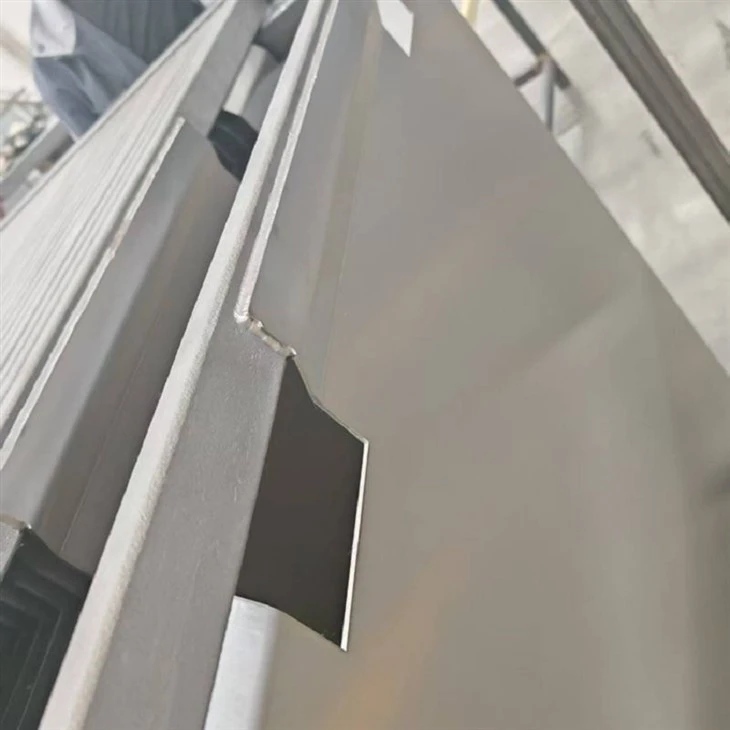
Titanium cathode plates have a smooth surface that allows for better electron transfer. This means that the reactions at the cathode can occur more efficiently, reducing the overpotential. When the overpotential is lower, you need less voltage to drive the electrolysis process, which directly translates to energy savings.
Improved Mass Transfer
Mass transfer is all about how quickly the reactants reach the electrode surface and how quickly the products leave. In an electrolysis cell, good mass transfer is crucial for efficient operation. Titanium cathode plates can be designed with specific geometries to enhance mass transfer.
For example, our Vest - type Titanium Cathode Plate has a unique shape that allows for better flow of the electrolytic solution around the plate. This means that the reactants can reach the cathode surface more easily, and the products can be removed more quickly. As a result, the electrolysis process can run more smoothly, and less energy is wasted on moving the reactants and products.
Durability and Consistency
Since titanium cathode plates are durable, they maintain their performance over a long period. A consistent electrode performance is essential for energy - efficient electrolysis. If an electrode starts to degrade, the reaction rates can change, and you may need to increase the voltage to maintain the same level of production.
With our titanium cathode plates, you don't have to worry about this. They keep working at a high level of efficiency, ensuring that you're using energy as effectively as possible throughout the life of the plate.
Different Types of Titanium Cathode Plates and Their Energy - Saving Features
Window - type Titanium Cathode Plate
The Window - type Titanium Cathode Plate is designed with holes or windows in the plate. These windows serve multiple purposes. First, they increase the surface area of the electrode. A larger surface area means more sites for the electrochemical reactions to occur, which can improve the reaction rate.
Second, the windows allow for better circulation of the electrolytic solution. This enhances mass transfer, as mentioned earlier. The improved mass transfer reduces the resistance in the cell, which in turn reduces the energy required to drive the electrolysis process.
Y - type Titanium Cathode Plate
The Y - type Titanium Cathode Plate has a distinct Y - shaped design. This design provides a more uniform distribution of the electric current across the electrode surface. When the current is evenly distributed, the reactions occur more uniformly, and there are fewer hotspots.
Hotspots can cause inefficiencies in the electrolysis process, as they can lead to uneven reactions and increased energy consumption. By preventing hotspots, the Y - type Titanium Cathode Plate ensures that the energy is used more effectively.
Real - World Examples of Energy Savings
Let's take a look at some real - world scenarios where our titanium cathode plates have made a big difference in energy savings. In a metal refining plant, they were using traditional cathode plates, and the energy consumption was quite high. After switching to our titanium cathode plates, they noticed a significant reduction in energy usage.
The smooth surface of the titanium plates reduced the overpotential, and the improved mass transfer allowed the reactions to occur more efficiently. As a result, they were able to save a substantial amount of energy, which not only reduced their operating costs but also had a positive impact on the environment.
In a water treatment facility, the use of our window - type titanium cathode plates improved the efficiency of the electrolysis - based water treatment process. The better circulation of the water through the windows of the plates reduced the energy required to treat the water. This led to cost savings for the facility and a more sustainable water treatment process.
Conclusion
In conclusion, titanium cathode plates are a game - changer when it comes to energy savings in electrolysis. Their corrosion resistance, ability to reduce overpotential, improve mass transfer, and maintain consistent performance all contribute to more efficient electrolysis processes.
Whether you're in the metal refining industry, water treatment, or any other field that uses electrolysis, our titanium cathode plates can help you save energy and reduce costs.
If you're interested in learning more about our titanium cathode plates or want to discuss a potential purchase, feel free to reach out. We're here to help you find the best solution for your electrolysis needs.
References
- Smith, J. (2020). "Advances in Electrode Materials for Energy - Efficient Electrolysis". Journal of Electrochemical Science.
- Johnson, A. (2019). "Titanium in Electrochemical Applications". International Journal of Materials Science.


