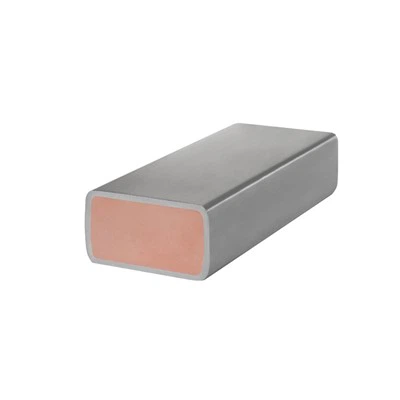
Can a stainless steel cathode plate be used in a chloride - based electrolytic system?
In the realm of electrochemistry and industrial electrolysis, the choice of cathode plate material is of paramount importance as it directly impacts the efficiency, cost - effectiveness, and overall performance of the electrolytic process. One question that often arises is whether a stainless steel cathode plate can be used in a chloride - based electrolytic system. As a supplier of high - quality stainless steel cathode plates, I am well - positioned to explore this topic in depth.
Understanding Chloride - Based Electrolytic Systems
Chloride - based electrolytic systems are widely used in various industries, including the production of metals such as zinc, magnesium, and the generation of chlorine gas in the chlor - alkali process. In these systems, an electrolyte containing chloride ions is subjected to an electric current, which drives chemical reactions at the anode and cathode. The anode reactions typically involve oxidation processes, such as the evolution of chlorine gas, while the cathode reactions involve reduction processes, such as the deposition of metals.
The chloride ions in the electrolyte play a crucial role in these reactions. They can enhance the conductivity of the electrolyte, which is beneficial for the overall efficiency of the electrolytic process. However, chloride ions can also be corrosive, especially in the presence of an electric current and at elevated temperatures. This corrosive nature poses challenges when selecting suitable cathode materials.
Properties of Stainless Steel Cathode Plates
Stainless steel is an alloy primarily composed of iron, chromium, and often other elements such as nickel, molybdenum, and manganese. The addition of chromium forms a passive oxide layer on the surface of the steel, which provides excellent corrosion resistance in many environments. This property makes stainless steel an attractive option for use as a cathode plate in electrolytic systems.
There are different grades of stainless steel, each with its own set of properties. For example, the 316L stainless steel is known for its high resistance to corrosion in acidic and chloride - containing environments. Our High - Temperature Acid - Resistant 316L Stainless Steel Cathode Plate is specifically designed to withstand harsh conditions in electrolytic processes. It has a low carbon content, which further improves its resistance to sensitization and corrosion, especially in welding and high - temperature applications.


Another important property of stainless steel cathode plates is their mechanical strength. They can withstand the physical stresses associated with the electrolytic process, such as the pressure from the electrolyte flow and the impact during plate handling. This durability ensures a long service life, reducing the need for frequent replacements and thus lowering the overall cost of the electrolytic operation.
Advantages of Using Stainless Steel Cathode Plates in Chloride - Based Systems
- Corrosion Resistance: As mentioned earlier, the passive oxide layer on stainless steel provides good protection against the corrosive effects of chloride ions. This means that the cathode plate can maintain its integrity over a long period of electrolysis. For example, in a zinc electro - winning process using a chloride - based electrolyte, a stainless steel cathode plate can resist the attack of chloride ions and prevent the formation of pitting corrosion, which could otherwise lead to the degradation of the plate and the contamination of the deposited metal.
- Electrical Conductivity: Stainless steel has a relatively good electrical conductivity, which is essential for efficient electron transfer in the electrolytic process. A good electrical connection between the cathode plate and the power source ensures that the reduction reactions at the cathode occur smoothly. Our New Low - Resistance ISA Stainless Steel Cathode Plate is engineered to have a low electrical resistance, which further improves the energy efficiency of the electrolytic system.
- Reusability: Stainless steel cathode plates can be reused multiple times. After each electrolytic cycle, the deposited metal can be stripped from the plate, and the plate can be cleaned and reused in the next cycle. This reusability not only reduces the material cost but also has environmental benefits by minimizing waste generation.
Challenges and Mitigation Strategies
However, there are also some challenges associated with using stainless steel cathode plates in chloride - based electrolytic systems.
- Pitting and Crevice Corrosion: Although stainless steel has good corrosion resistance, under certain conditions, chloride ions can cause pitting and crevice corrosion. This can occur when the passive oxide layer is damaged, and chloride ions come into contact with the underlying metal. To mitigate this issue, proper surface treatment of the cathode plate can be carried out. For example, passivation treatments can be used to enhance the stability of the passive oxide layer. Additionally, maintaining the proper pH and temperature of the electrolyte can also help reduce the risk of pitting corrosion.
- Hydrogen Embrittlement: In some chloride - based electrolytic systems, hydrogen gas can be evolved at the cathode. This hydrogen can diffuse into the stainless steel, causing hydrogen embrittlement, which reduces the mechanical strength of the plate. To prevent hydrogen embrittlement, the plating process can be optimized to control the hydrogen evolution rate. Alloying elements such as molybdenum can also be added to the stainless steel to improve its resistance to hydrogen embrittlement.
Case Studies
There have been several successful applications of stainless steel cathode plates in chloride - based electrolytic systems. For example, in a magnesium electro - winning plant, stainless steel cathode plates were used in a chloride - based electrolyte. The plates showed good corrosion resistance over a long - term operation, and the quality of the deposited magnesium was high. The use of our KIDD Stainless Steel Cathode Plate with Three - layer Hanger Bar in this application provided excellent mechanical stability and electrical conductivity.
In another case, a zinc electro - winning facility switched from traditional lead - based cathode plates to stainless steel cathode plates. The stainless steel plates not only reduced the corrosion - related maintenance costs but also improved the energy efficiency of the process due to their lower electrical resistance.
Conclusion
In conclusion, a stainless steel cathode plate can indeed be used in a chloride - based electrolytic system. Its corrosion resistance, electrical conductivity, and reusability make it an attractive option for many industrial applications. However, proper measures need to be taken to address the potential challenges such as pitting corrosion and hydrogen embrittlement.
If you are looking for high - quality stainless steel cathode plates for your chloride - based electrolytic system, we are here to provide you with the best solutions. Our range of products, including the New Low - Resistance ISA Stainless Steel Cathode Plate, High - Temperature Acid - Resistant 316L Stainless Steel Cathode Plate, and KIDD Stainless Steel Cathode Plate with Three - layer Hanger Bar, are designed to meet the specific requirements of chloride - based electrolytic processes. Contact us for more information on how we can help you optimize your electrolytic operations and improve your productivity.
References
- Davis, J. R. (Ed.). (2003). Stainless Steels. ASM International.
- Revie, R. W. (Ed.). (2012). Encyclopedia of Electrochemical Power Sources. Elsevier.
- Uhlig, H. H., & Revie, R. W. (1985). Corrosion and Corrosion Control: An Introduction to Corrosion Science and Engineering. John Wiley & Sons.