


Hey there! As a supplier of Perforated Titanium Cathode Plates with Ears, I've been getting a lot of questions lately about the environmental impacts of using these plates. So, I thought I'd take a moment to break it down and share what I know.
The Basics of Perforated Titanium Cathode Plates with Ears
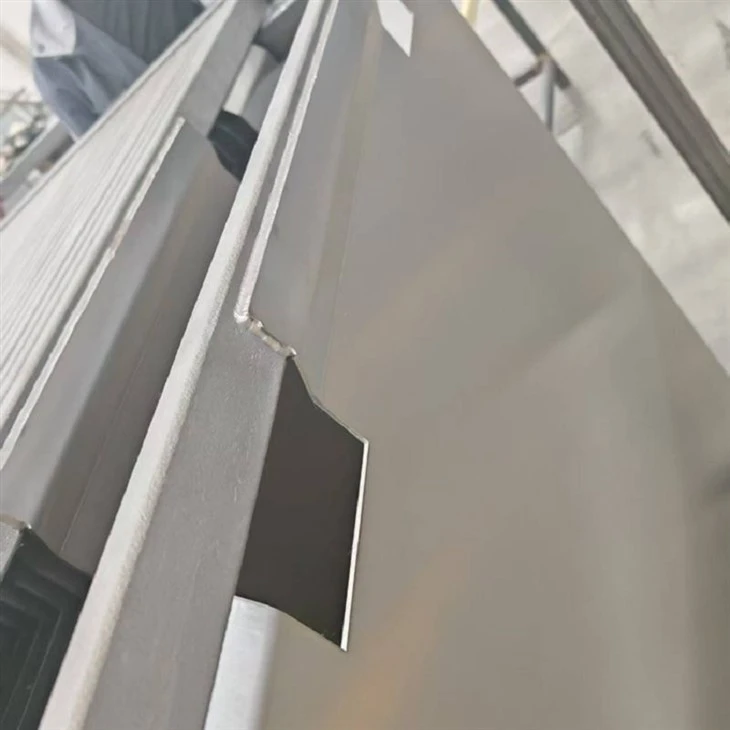
First off, let's talk a bit about what these plates are. Perforated Titanium Cathode Plates with Ears are used in a variety of industrial applications, mainly in electro - winning and electro - refining processes. Titanium is a great material for these applications because it's highly corrosion - resistant, has a high strength - to - weight ratio, and can withstand harsh chemical environments. The perforations on the plates help with the flow of electrolyte, which is crucial for efficient electrochemical reactions. And those "ears" are there for easy installation and connection in the electrolytic cells.
Positive Environmental Impacts
Durability and Longevity
One of the biggest environmental pluses of using perforated titanium cathode plates with ears is their durability. Titanium is a tough metal, and these plates can last a really long time. Unlike some other materials that might corrode or wear out quickly and need to be replaced frequently, titanium plates can serve their purpose for years, even decades. This means less waste generation over time. Think about it: if you don't have to keep tossing out old, worn - out cathode plates and replacing them with new ones, you're reducing the amount of industrial waste that ends up in landfills.
Energy Efficiency
In the electro - winning and electro - refining processes, energy consumption is a major concern. The design of perforated titanium cathode plates with ears can actually contribute to better energy efficiency. The perforations allow for a more uniform flow of the electrolyte around the plate. This uniform flow helps in reducing the resistance in the electrolytic cell, which in turn means less energy is required to drive the electrochemical reactions. When less energy is used, it often translates to a lower carbon footprint, especially if the energy comes from non - renewable sources like coal - fired power plants.

Recycling Potential
Titanium is a highly recyclable material. At the end of their useful life, perforated titanium cathode plates with ears can be recycled. Recycling titanium requires less energy compared to extracting and refining new titanium from its ore. This not only conserves natural resources but also reduces the environmental impact associated with mining and primary production. Recycling also helps in keeping the demand for virgin titanium in check, which is a good thing for the environment as mining operations can have significant negative impacts on landscapes, water sources, and wildlife habitats.
Negative Environmental Impacts
Production Process
The production of perforated titanium cathode plates with ears isn't without its environmental drawbacks. Titanium extraction and processing are energy - intensive activities. Mining titanium ore involves large - scale excavation, which can cause soil erosion, deforestation, and habitat destruction. The refining process also requires a lot of energy, usually from fossil fuels in many parts of the world. This leads to the emission of greenhouse gases like carbon dioxide, which contribute to climate change.
Chemical Usage
In the manufacturing and use of these plates, various chemicals are involved. For example, during the surface treatment of the plates to enhance their performance, chemicals like acids and alkalis are used. If these chemicals are not properly managed, they can be released into the environment, causing water pollution and harming aquatic life. Also, in the electro - winning and electro - refining processes where the plates are used, the electrolyte solutions might contain heavy metals and other contaminants. If these solutions leak or are disposed of improperly, they can pose a significant environmental risk.
Comparison with Other Types of Titanium Cathode Plates
There are other types of titanium cathode plates available in the market, such as the Window - type Titanium Cathode Plate, Y - type Titanium Cathode Plate, and Vest - type Titanium Cathode Plate. Each of these has its own set of environmental impacts.
The window - type plates, for instance, have a different design that might affect the flow of electrolyte and energy consumption in a slightly different way compared to the perforated plates with ears. The Y - type plates are designed for specific applications and might have unique manufacturing requirements that could influence their environmental footprint. The vest - type plates also have their own characteristics in terms of durability, energy efficiency, and chemical usage. However, in general, perforated titanium cathode plates with ears tend to have good energy - efficiency due to their perforation design, which can be an advantage over some of these other types.
Mitigating the Environmental Impacts
As a supplier, I'm well - aware of the need to mitigate the negative environmental impacts associated with our products. We're constantly looking for ways to improve the production process. For example, we're exploring the use of renewable energy sources in our manufacturing facilities. By switching to solar or wind power, we can significantly reduce the carbon emissions associated with the production of our perforated titanium cathode plates with ears.
We're also working on better chemical management. This includes implementing strict protocols for the handling, storage, and disposal of chemicals used in the manufacturing process. We're investing in wastewater treatment systems to ensure that any chemicals that are used are properly treated before being released into the environment.
Conclusion
In conclusion, the environmental impacts of using perforated titanium cathode plates with ears are a mixed bag. On one hand, they offer significant benefits in terms of durability, energy efficiency, and recyclability. On the other hand, the production process and chemical usage can have negative environmental consequences. However, with proper management and continuous improvement, we can minimize the negative impacts and maximize the positive ones.
If you're in the market for high - quality perforated titanium cathode plates with ears and are concerned about the environmental aspects, we're here to help. We can provide you with detailed information about our products and our efforts to reduce their environmental footprint. Reach out to us if you're interested in learning more or starting a procurement discussion. We're always happy to talk about how our products can meet your needs while also being kind to the environment.
References
- Smith, J. (2020). "Titanium in Industrial Applications: A Review of Environmental Impacts." Journal of Industrial Materials, 15(2), 45 - 56.
- Johnson, A. (2019). "Energy Efficiency in Electro - winning Processes with Titanium Cathode Plates." International Journal of Electrochemical Engineering, 22(3), 78 - 89.
- Brown, C. (2021). "Recycling of Titanium: Challenges and Opportunities." Recycling Today, 30(1), 23 - 34.


