Hey there! As a supplier of Stainless Steel Clad Aluminum Bars, I often get asked about the right cutting parameters for machining these bars. It's a crucial topic because using the wrong parameters can lead to all sorts of problems, like poor surface finish, excessive tool wear, and even damage to the bars themselves. So, let's dive into the details.


Understanding Stainless Steel Clad Aluminum Bars
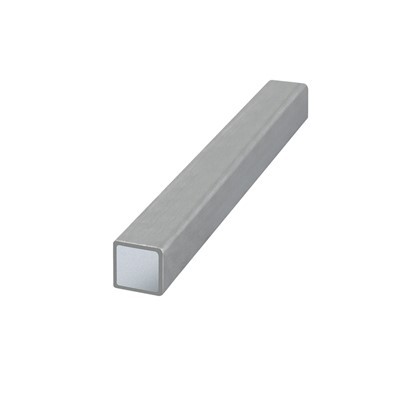
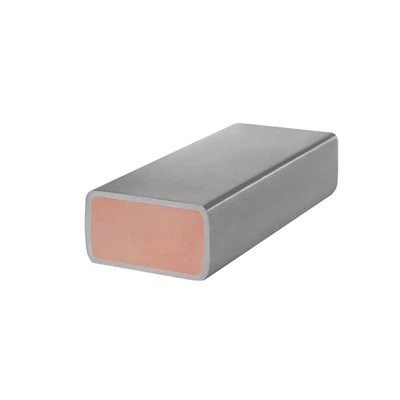
Before we talk about cutting parameters, let's quickly go over what stainless steel clad aluminum bars are. These bars are a combination of stainless steel and aluminum, where a layer of stainless steel is bonded to an aluminum core. This combination offers the best of both worlds: the corrosion resistance and strength of stainless steel on the outside, and the lightweight and good thermal conductivity of aluminum on the inside. They're used in a wide range of industries, from aerospace to electronics.
Factors Affecting Cutting Parameters
There are several factors that we need to consider when choosing the cutting parameters for machining stainless steel clad aluminum bars.
Material Properties
The properties of both the stainless steel and the aluminum play a big role. Stainless steel is known for its high strength and toughness, which means it can be a bit more difficult to cut compared to aluminum. Aluminum, on the other hand, is softer and more ductile. The cladding process can also affect the material's behavior during machining.
Tool Material
The type of cutting tool we use is crucial. For stainless steel clad aluminum bars, carbide tools are often a good choice. They're hard and can withstand the high cutting forces involved. High-speed steel (HSS) tools can also be used, but they may wear out more quickly, especially when cutting stainless steel.
Cutting Speed
Cutting speed is one of the most important parameters. It's measured in surface feet per minute (SFM) or meters per minute (m/min). For stainless steel, a lower cutting speed is usually recommended to avoid excessive heat generation, which can cause the material to harden and the tool to wear out faster. For aluminum, we can generally use a higher cutting speed. A good starting point for stainless steel might be around 50 - 100 SFM, while for aluminum, it could be 300 - 600 SFM.
Feed Rate
The feed rate is how fast the tool moves into the material. It's measured in inches per revolution (IPR) or millimeters per revolution (mm/rev). A higher feed rate can increase productivity, but it also puts more stress on the tool. For stainless steel clad aluminum bars, a feed rate of around 0.002 - 0.005 IPR is a good starting point.
Depth of Cut
The depth of cut is how deep the tool penetrates into the material. A deeper depth of cut can remove more material in one pass, but it also requires more cutting force. For stainless steel clad aluminum bars, a depth of cut of around 0.05 - 0.1 inches (1.27 - 2.54 mm) is often a good choice.
Recommended Cutting Parameters
Based on my experience as a supplier, here are some general recommended cutting parameters for machining stainless steel clad aluminum bars:
- Cutting Speed: For roughing operations, start with a cutting speed of around 70 - 100 SFM for the stainless steel layer and 400 - 600 SFM for the aluminum core. For finishing operations, you can increase the cutting speed slightly for a better surface finish.
- Feed Rate: Use a feed rate of 0.003 - 0.005 IPR for roughing and 0.001 - 0.003 IPR for finishing.
- Depth of Cut: For roughing, a depth of cut of 0.08 - 0.1 inches (2 - 2.54 mm) is a good starting point. For finishing, reduce the depth of cut to around 0.01 - 0.03 inches (0.25 - 0.76 mm).
It's important to note that these are just general guidelines, and you may need to adjust the parameters based on your specific machining setup, the type of tool you're using, and the quality of the material.
Importance of Cooling and Lubrication
Cooling and lubrication are also very important when machining stainless steel clad aluminum bars. Using a coolant or lubricant can help reduce heat generation, improve the surface finish, and extend the life of the cutting tool. There are different types of coolants and lubricants available, such as water-based coolants and oil-based lubricants. You'll need to choose the one that's best suited for your machining process.
Other Clad Bars
If you're also interested in other types of clad bars, we also offer Zirconium Clad Copper Bar, Titanium Clad Aluminum Bar, and Nickel Clad Copper Bar. Each of these bars has its own unique properties and applications, and the cutting parameters may vary.
Conclusion
Choosing the right cutting parameters when machining stainless steel clad aluminum bars is crucial for achieving good results. By considering factors like material properties, tool material, cutting speed, feed rate, and depth of cut, you can ensure a smooth and efficient machining process. If you have any questions or need more information about our Stainless Steel Clad Aluminum Bars or other clad bars, feel free to reach out for a procurement discussion.
References
- "Machining Handbook", Industrial Press
- "Metal Cutting Principles", Stephenson and Agapiou