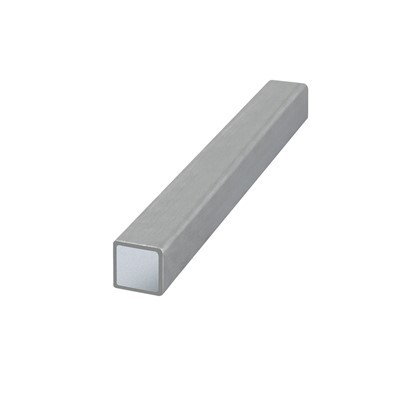
What is the flatness tolerance of Titanium Clad Copper Bar?
As a dedicated supplier of Titanium Clad Copper Bars, I've witnessed firsthand the importance of understanding the flatness tolerance of these high - performance materials. In this blog, we'll delve into what flatness tolerance means for Titanium Clad Copper Bars, why it matters, and how it impacts various applications.
Understanding Flatness Tolerance
Flatness tolerance refers to the allowable deviation from a perfectly flat surface. In the context of Titanium Clad Copper Bars, it is a critical parameter that determines the bar's quality and suitability for specific applications. When a bar has a tight flatness tolerance, it means that the surface of the bar is very close to being perfectly flat, with minimal variations.
The flatness of a Titanium Clad Copper Bar is typically measured using precision instruments such as optical flatness gauges or laser profilometers. These tools can accurately measure the height differences across the surface of the bar, allowing us to determine whether it meets the required flatness tolerance.
Why Flatness Tolerance Matters
- Electrical Conductivity: In applications where electrical conductivity is crucial, such as in power distribution systems or electronic devices, a flat surface ensures better contact between the bar and other components. A bar with poor flatness can lead to uneven electrical contact, which may result in increased resistance, heat generation, and potential system failures.
- Mechanical Fit: When Titanium Clad Copper Bars are used in mechanical assemblies, a proper flatness tolerance is essential for a precise fit. For example, in a heat exchanger application, a flat bar ensures a tight seal between the bar and the adjacent components, preventing leaks and improving the overall efficiency of the system.
- Aesthetic and Finish Requirements: In some applications, such as architectural or decorative uses, the flatness of the bar contributes to its visual appeal. A flat bar gives a more professional and polished look, enhancing the overall aesthetic of the finished product.
Factors Affecting Flatness Tolerance
- Manufacturing Process: The manufacturing process of Titanium Clad Copper Bars plays a significant role in determining the flatness tolerance. Processes such as hot rolling, cold rolling, and cladding can introduce variations in the bar's flatness. For example, uneven pressure during rolling can cause the bar to warp or develop waves.
- Material Properties: The properties of the titanium and copper materials used in the cladding also affect flatness. Different thermal expansion coefficients between the two materials can lead to internal stresses during heating and cooling, which may cause the bar to deform.
- Handling and Storage: Improper handling and storage of the bars can also impact their flatness. For instance, stacking heavy objects on top of the bars or storing them in a humid environment can cause them to bend or warp.
Typical Flatness Tolerance Values
The flatness tolerance for Titanium Clad Copper Bars can vary depending on the application requirements. In general, for high - precision applications, the flatness tolerance may be as tight as ±0.05 mm per meter of bar length. For less critical applications, a tolerance of ±0.1 mm per meter may be acceptable.


It's important to note that these values are just guidelines, and the actual flatness tolerance should be determined based on the specific needs of the application. Our company works closely with customers to understand their requirements and provide bars with the appropriate flatness tolerance.
Applications of Titanium Clad Copper Bars with Different Flatness Tolerances
- Electronics Industry: In the electronics industry, where high - precision components are required, Titanium Clad Copper Bars with tight flatness tolerances are used in printed circuit boards (PCBs). These bars ensure reliable electrical connections and help to minimize signal interference.
- Power Generation and Distribution: In power generation and distribution systems, Titanium Clad Copper Bars are used for busbars. A flat busbar ensures efficient power transmission and reduces the risk of overheating. Bars with a moderate flatness tolerance are typically sufficient for these applications.
- Chemical and Petrochemical Industry: In the chemical and petrochemical industry, Titanium Clad Copper Bars are used in heat exchangers and other equipment. The flatness of the bars is important for ensuring proper sealing and efficient heat transfer. Depending on the specific application, different flatness tolerances may be required.
Comparison with Other Clad Bars
In addition to Titanium Clad Copper Bars, we also offer Niobium Clad Copper Bar, Titanium Clad Aluminum Bar, and Zirconium Clad Copper Bar. Each of these clad bars has its own unique properties and flatness tolerance requirements.
Niobium Clad Copper Bars are known for their high - temperature resistance and excellent electrical conductivity. They are often used in applications where high - power and high - temperature performance is required. The flatness tolerance for Niobium Clad Copper Bars is similar to that of Titanium Clad Copper Bars, but may vary depending on the specific application.
Titanium Clad Aluminum Bars are lightweight and have good corrosion resistance. They are commonly used in aerospace and automotive applications. The flatness tolerance for Titanium Clad Aluminum Bars is also important for ensuring proper fit and performance in these applications.
Zirconium Clad Copper Bars are used in applications where high - corrosion resistance is required, such as in the chemical industry. The flatness tolerance for Zirconium Clad Copper Bars is determined by the specific requirements of the application, similar to the other clad bars.
Ensuring the Right Flatness Tolerance
As a supplier, we take several steps to ensure that our Titanium Clad Copper Bars meet the required flatness tolerance. First, we use advanced manufacturing techniques and equipment to minimize variations in the bar's flatness during the production process. We also conduct rigorous quality control checks using precision measurement tools to verify the flatness of each bar.
In addition, we work closely with our customers to understand their specific requirements and provide customized solutions. Whether you need a bar with a tight flatness tolerance for a high - precision application or a more relaxed tolerance for a less critical use, we can help you find the right product.
Contact Us for Your Titanium Clad Copper Bar Needs
If you're in the market for Titanium Clad Copper Bars or any of our other clad bar products, we'd love to hear from you. Our team of experts can provide you with detailed information about our products, including flatness tolerance, and help you choose the right solution for your application. Contact us today to start a conversation about your procurement needs.
References
- Smith, J. (2018). "Advanced Materials for Electrical Applications". Publisher X.
- Johnson, R. (2019). "Clad Metals: Properties and Applications". Publisher Y.