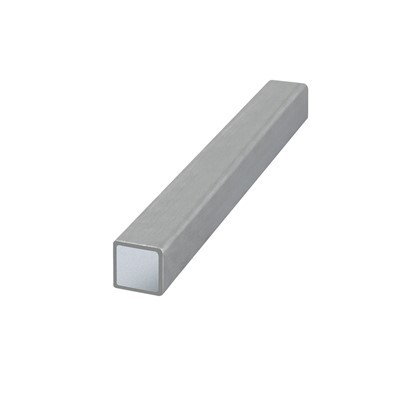
Radiation resistance is a crucial parameter in the field of electrical engineering, especially when dealing with conductive materials. As a supplier of Nickel Clad Copper Bars, I am often asked about the radiation resistance of these bars. In this blog post, I will delve into the concept of radiation resistance, explain how it relates to Nickel Clad Copper Bars, and discuss its practical implications.
Understanding Radiation Resistance
Radiation resistance is a measure of how effectively an antenna or a conductive structure radiates electromagnetic energy into the surrounding space. It is a fundamental property that determines the efficiency of an antenna in converting electrical energy into electromagnetic waves. In the context of Nickel Clad Copper Bars, radiation resistance plays a significant role in applications where electromagnetic radiation is involved, such as in radio frequency (RF) circuits, antennas, and electromagnetic shielding.
The radiation resistance of a conductor depends on several factors, including its shape, size, material properties, and the frequency of the electromagnetic waves. For a Nickel Clad Copper Bar, the radiation resistance is influenced by the properties of both the nickel cladding and the copper core. Nickel is known for its high electrical conductivity and magnetic properties, while copper is an excellent conductor of electricity. The combination of these two materials in a clad bar can result in unique electromagnetic characteristics.
Factors Affecting the Radiation Resistance of Nickel Clad Copper Bars
Material Properties
The electrical conductivity of the materials used in the Nickel Clad Copper Bar is a key factor in determining its radiation resistance. Copper has a very high electrical conductivity, which allows for efficient conduction of electrical current. Nickel also has good electrical conductivity, but it also has magnetic properties that can affect the electromagnetic behavior of the bar. The magnetic properties of nickel can interact with the electromagnetic fields, leading to changes in the radiation resistance.
Geometry and Dimensions
The shape and size of the Nickel Clad Copper Bar can also have a significant impact on its radiation resistance. For example, a bar with a larger cross-sectional area will generally have a lower radiation resistance compared to a bar with a smaller cross-sectional area. The length of the bar also plays a role, as longer bars can have different radiation characteristics compared to shorter bars.
Frequency of Operation
The frequency of the electromagnetic waves being radiated or received by the Nickel Clad Copper Bar is another important factor. At different frequencies, the radiation resistance of the bar can vary significantly. For example, at low frequencies, the radiation resistance may be relatively low, while at high frequencies, it may increase due to the skin effect and other electromagnetic phenomena.
Calculating the Radiation Resistance of Nickel Clad Copper Bars
Calculating the radiation resistance of a Nickel Clad Copper Bar is a complex task that requires a detailed understanding of electromagnetic theory and the properties of the materials involved. In general, the radiation resistance can be calculated using electromagnetic simulation software or by performing experimental measurements.
One common method for calculating the radiation resistance is to use the concept of the radiation pattern. The radiation pattern describes the distribution of electromagnetic energy radiated by the bar in different directions. By analyzing the radiation pattern, it is possible to determine the radiation resistance of the bar.


Another approach is to use analytical models based on electromagnetic theory. These models take into account the material properties, geometry, and frequency of operation of the bar to calculate the radiation resistance. However, these models can be quite complex and may require advanced mathematical skills.
Practical Implications of Radiation Resistance in Nickel Clad Copper Bars
The radiation resistance of Nickel Clad Copper Bars has several practical implications in various applications. In RF circuits, for example, the radiation resistance can affect the performance of antennas and other components. A low radiation resistance can result in more efficient radiation of electromagnetic energy, leading to better signal strength and range.
In electromagnetic shielding applications, the radiation resistance of the Nickel Clad Copper Bar can determine its effectiveness in blocking electromagnetic interference. A bar with a high radiation resistance can help to reduce the amount of electromagnetic radiation that passes through it, providing better shielding performance.
Other Clad Bar Options
In addition to Nickel Clad Copper Bars, there are other types of clad bars available in the market. For example, Stainless Steel-clad Copper-clad Steel Bar offers a combination of the properties of stainless steel, copper, and steel, making it suitable for applications where corrosion resistance and high strength are required. Another option is the Titanium Clad Aluminum Bar, which combines the lightweight properties of aluminum with the high strength and corrosion resistance of titanium. Titanium Clad Copper Bar is also a popular choice, offering a balance between the electrical conductivity of copper and the corrosion resistance of titanium.
Conclusion
In conclusion, the radiation resistance of a Nickel Clad Copper Bar is an important parameter that affects its performance in various applications. Understanding the factors that influence the radiation resistance and how to calculate it can help in the design and selection of the appropriate bar for a specific application. Whether you are working on RF circuits, antennas, or electromagnetic shielding, the radiation resistance of the Nickel Clad Copper Bar can play a crucial role in achieving the desired performance.
If you are interested in purchasing Nickel Clad Copper Bars or any of the other clad bars mentioned in this blog post, please feel free to contact us for more information and to discuss your specific requirements. We are committed to providing high-quality products and excellent customer service.
References
- Balanis, C. A. (2016). Antenna Theory: Analysis and Design. Wiley.
- Pozar, D. M. (2012). Microwave Engineering. Wiley.
- Ramo, S., Whinnery, J. R., & Van Duzer, T. (1994). Fields and Waves in Communication Electronics. Wiley.