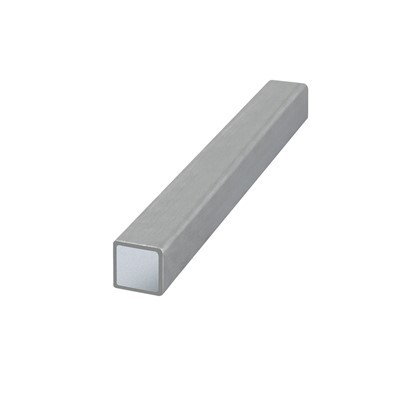
Using insulating edge strips is a common practice in many industries, especially in electrical and construction fields. As a supplier of insulating edge strips, I often get asked about the safety precautions one should take when using these products. In this blog, I'll share some important safety tips and precautions that you should keep in mind.
Understanding Insulating Edge Strips
Before we dive into safety precautions, let's quickly go over what insulating edge strips are. These strips are made from various insulating materials like ABS, PPO, etc., and are designed to provide electrical insulation and protection. They come in different sizes and shapes, with slots like the ABS Insulating Edge Strips with 18mm Slot and PPO Insulating Edge Strips with 18mm Slot, as well as ABS Insulating Edge Strips with 9mm Slot. The material and slot size you choose depend on your specific application.
Storage and Handling Safety
- Proper Storage Location: When you first receive your insulating edge strips, it's crucial to store them in a dry and cool place. Moisture can damage the insulating properties of the strips over time. High temperatures can also cause the material to warp or degrade, reducing its effectiveness. A storage room with a controlled temperature and low humidity is ideal. Avoid storing them near sources of heat or in direct sunlight.
- Handling with Care: Insulating edge strips can be fragile, especially if they are thin or made from certain materials. When you're moving or handling them, be gentle. Don't bend or twist them excessively, as this can create cracks or weak spots in the insulation. If a strip gets damaged during handling, it's best not to use it, as it may not provide adequate electrical protection.
Installation Safety
- Wear Protective Gear: Before you start installing the insulating edge strips, make sure you're wearing the right protective gear. This includes safety glasses to protect your eyes from any flying debris or dust that may be generated during the installation process. Gloves are also a good idea to protect your hands from sharp edges of the strips or any tools you're using.
- Check the Installation Area: Inspect the area where you'll be installing the strips. Make sure it's clean and free of any dirt, grease, or other contaminants. These can prevent the strips from adhering properly or can even affect their insulating properties. If there are any sharp objects or rough surfaces, smooth them out to avoid damaging the strips during installation.
- Follow Installation Instructions: Every type of insulating edge strip comes with its own set of installation instructions. It's important to read and follow these instructions carefully. This includes using the right tools for the job and ensuring that the strips are installed at the correct orientation and with the proper spacing. Incorrect installation can lead to poor insulation performance and even pose a safety hazard.
Electrical Safety
- Power Off: Always turn off the power supply before installing or working on equipment with insulating edge strips. This is a basic but extremely important safety precaution. Working on live electrical circuits can result in electric shock or other serious injuries. Double - check to make sure the power is off by using a voltage tester.
- Inspect for Damage: Before using the strips, carefully inspect them for any signs of damage, such as cuts, cracks, or burns. Damaged strips can compromise the electrical insulation and increase the risk of electrical faults. If you find any damaged strips, don't use them. Instead, replace them with new ones.
- Grounding: Ensure that the equipment or area where the insulating edge strips are installed is properly grounded. Grounding provides a path for electrical current to flow safely into the ground in case of a fault. This helps to prevent electrical shock and damage to the equipment.
Maintenance and Inspection
- Regular Inspections: Perform regular inspections of the insulating edge strips in your equipment or installation. Look for signs of wear and tear, such as discoloration, cracks, or signs of heat damage. These can indicate that the strips are starting to degrade and may need to be replaced. The frequency of inspections depends on the environment and usage, but a general rule of thumb is to inspect them at least once a year.
- Cleaning: Keep the insulating edge strips clean. Dust, dirt, and other contaminants can accumulate on the surface of the strips over time, which can affect their insulating properties. Use a clean, dry cloth to wipe the strips periodically. Avoid using harsh chemicals or abrasive materials, as these can damage the strips.
Environmental Safety
- Chemical Compatibility: If the insulating edge strips are going to be used in an environment where they may come into contact with chemicals, make sure they are chemically compatible. Some chemicals can react with the material of the strips, causing them to deteriorate or lose their insulating properties. Check the manufacturer's specifications to ensure that the strips are suitable for the chemical environment.
- Fire Safety: Although insulating edge strips are designed to be fire - resistant, it's still important to consider fire safety. Keep the strips away from open flames, sparks, and other sources of ignition. If there is a risk of fire in the area, make sure the installation meets all relevant fire safety codes and regulations.
When to Contact a Professional
Sometimes, using insulating edge strips may require professional help. If you're not sure about the installation process, the type of strip to use, or if you encounter any issues during the installation or maintenance, it's a good idea to contact a professional. They have the knowledge and experience to ensure that the strips are installed and maintained correctly, reducing the risk of safety hazards.
Conclusion
Using insulating edge strips can provide great electrical insulation and protection, but it's important to take the necessary safety precautions. From proper storage and handling to installation, electrical safety, maintenance, and environmental considerations, every step matters. If you have any questions about our insulating edge strips or need advice on safety precautions, don't hesitate to reach out. We're here to help you make the right choices for your projects. Whether you're in the electrical industry, construction, or any other field that requires electrical insulation, our high - quality insulating edge strips can meet your needs. Contact us today to discuss your requirements and start your procurement process.


References
- Electrical Safety Standards Handbook
- Manufacturer's Manuals for Insulating Edge Strips