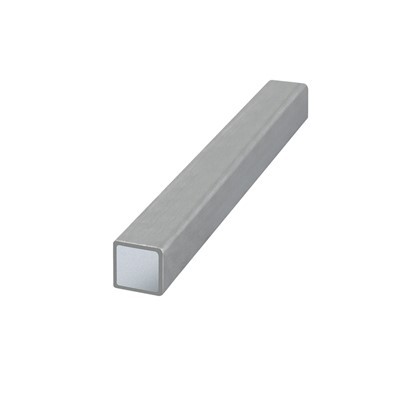
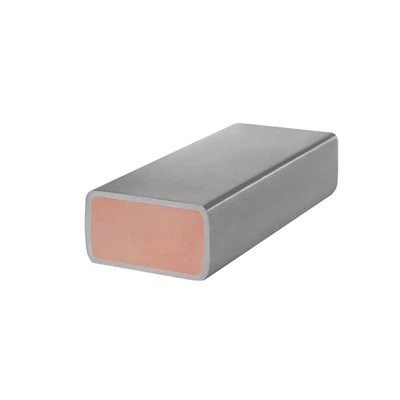
Hey there! As a supplier of Lead - Antimony Anode Plates, I've been in the game for quite a while, and I know how crucial it is to optimize the composition of these anode plates. In this blog, I'm gonna share some tips and insights on how to do just that.
First off, let's talk about why optimizing the composition of Lead - Antimony Anode Plates is so important. These plates are widely used in various industries, especially in the electrolysis process. The performance of the anode plate directly affects the efficiency and quality of the electrolysis. A well - optimized composition can lead to better conductivity, higher corrosion resistance, and longer service life.
Understanding the Basics of Lead - Antimony Anode Plates
Lead - Antimony Anode Plates are made up of a combination of lead and antimony. The ratio of lead to antimony plays a significant role in determining the properties of the anode plate. Generally, antimony is added to lead to improve its mechanical strength and hardness. However, too much antimony can also lead to some negative effects, such as increased brittleness.


The typical composition of a Lead - Antimony Anode Plate usually contains around 4% - 6% antimony. But this ratio can be adjusted according to different application requirements. For example, in some cases where high corrosion resistance is needed, a slightly higher antimony content might be used.
Factors to Consider for Optimization
1. Application Requirements
The first thing to consider when optimizing the composition is the specific application of the anode plate. Different industries have different requirements for anode plates. For instance, in the electroplating industry, the anode plate needs to have good conductivity and uniform dissolution. In the battery industry, the anode plate should have high corrosion resistance and long - term stability.
If you're using the Lead - Antimony Anode Plate for electroplating, you might want to adjust the composition to ensure a more even distribution of the plating material. On the other hand, if it's for a battery, you'll focus more on the corrosion resistance and self - discharge rate.
2. Raw Material Quality
The quality of the raw materials used to make the anode plate is also crucial. High - quality lead and antimony will result in a better - performing anode plate. When sourcing raw materials, make sure to choose suppliers with a good reputation. You can also conduct some tests on the raw materials to ensure their purity and quality.
3. Manufacturing Process
The manufacturing process can have a significant impact on the composition and performance of the anode plate. For example, the melting and casting process should be carefully controlled to ensure a uniform distribution of lead and antimony. The cooling rate during casting also affects the microstructure of the anode plate, which in turn affects its properties.
Optimization Strategies
1. Adjusting the Antimony Content
As mentioned earlier, the antimony content is a key factor in the composition of the anode plate. By adjusting the antimony content, you can fine - tune the properties of the anode plate. If you need a more mechanically strong anode plate, you can increase the antimony content slightly. However, be careful not to go overboard, as too much antimony can make the plate brittle.
2. Adding Other Elements
In addition to lead and antimony, you can also add other elements to the anode plate to improve its performance. For example, adding a small amount of silver can enhance the conductivity of the anode plate. Some other elements like copper or tin can also be added to improve the corrosion resistance.
3. Surface Treatment
Surface treatment can also play an important role in optimizing the performance of the anode plate. For example, applying a protective coating on the surface of the anode plate can improve its corrosion resistance. There are different types of coatings available, such as New - Type Titanium Anode Plate With Manganese Dioxide Coating, which can provide better protection and performance.
Comparing with Other Anode Plates
It's also worth comparing Lead - Antimony Anode Plates with other types of anode plates. For example, Titanium Anode Basket For Electrolytic Cobalt is another popular option in the electrolysis industry. Titanium anode baskets have some advantages, such as high corrosion resistance and long service life. However, they are also more expensive compared to Lead - Antimony Anode Plates.
When choosing between different anode plates, you need to consider your specific requirements, budget, and the overall performance. Lead - Antimony Anode Plates are a cost - effective option for many applications, especially when the corrosion requirements are not extremely high.
Conclusion
Optimizing the composition of Lead - Antimony Anode Plates is a complex but rewarding process. By considering factors such as application requirements, raw material quality, and manufacturing process, and using strategies like adjusting the antimony content, adding other elements, and surface treatment, you can improve the performance of the anode plate.
If you're interested in our Lead - Antimony Anode Plates or have any questions about optimizing their composition, feel free to reach out to us. We're always here to help you find the best solution for your needs.
References
- Smith, J. (2018). "Advances in Anode Plate Technology". Journal of Electrochemical Science.
- Johnson, A. (2020). "Composition Optimization of Lead - Based Anode Plates". Industrial Chemistry Review.