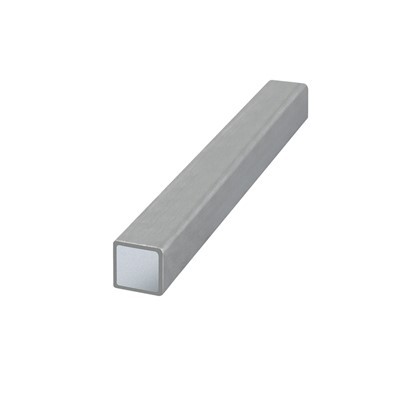
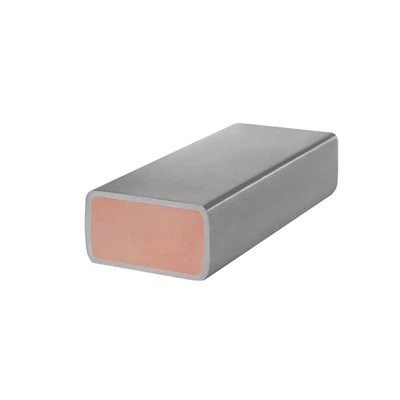
Hey there! I'm a supplier of Nickel Clad Copper Bars, and today I want to chat about the environmental impacts of using these bad boys.
Let's start with the basics. Nickel Clad Copper Bars are a type of composite material where a layer of nickel is bonded to a copper core. They're widely used in various industries, like electronics, power generation, and even in some specialized manufacturing processes. But with all the talk about going green these days, it's important to understand how these bars affect the environment.
1. Mining and Extraction
First off, we've got to look at where the raw materials come from. Nickel and copper are both mined from the earth, and mining ain't no walk in the park for the environment.


Mining operations can cause a whole bunch of problems. For one, they often require large amounts of water. This can lead to water scarcity in the surrounding areas, especially in regions where water is already a precious resource. Plus, the water used in mining can get contaminated with heavy metals and other pollutants. When this contaminated water is released back into the environment, it can harm aquatic life and make water sources unsafe for human use.
Another big issue is deforestation. To make way for mining sites, large areas of forests are often cleared. This not only destroys habitats for countless plant and animal species but also contributes to climate change. Trees absorb carbon dioxide, a major greenhouse gas, and when they're cut down, that carbon is released back into the atmosphere.
When it comes to nickel mining, it can also produce a lot of waste rock and tailings. These are the leftover materials after the valuable minerals have been extracted. Tailings can contain harmful chemicals and heavy metals, and if not properly managed, they can leach into the soil and water, causing long - term environmental damage.
2. Manufacturing Process
Once we've got the raw materials, it's time to turn them into Nickel Clad Copper Bars. The manufacturing process also has its own set of environmental impacts.
One of the main steps in making these bars is the cladding process. This usually involves high - temperature operations, which require a significant amount of energy. Most of this energy comes from fossil fuels, like coal and natural gas. Burning these fuels releases carbon dioxide and other pollutants into the atmosphere, contributing to global warming and air pollution.
There are also chemicals involved in the manufacturing process. For example, some of the processes used to bond the nickel layer to the copper core may use chemicals that can be harmful to the environment if not properly handled. These chemicals can contaminate water and soil, and they can also pose a risk to the health of workers in the manufacturing facilities.
3. End - of - Life Disposal
When the Nickel Clad Copper Bars reach the end of their useful lives, what happens to them? Well, if they're not recycled, they'll end up in landfills. And here's the thing, nickel and copper are non - biodegradable materials. They can sit in landfills for hundreds or even thousands of years, taking up valuable space.
Moreover, as these bars break down over time in landfills, there's a risk that the heavy metals they contain, like nickel and copper, can leach into the soil and groundwater. This can contaminate water sources and harm the surrounding ecosystem.
4. The Silver Lining: Recycling
But it's not all doom and gloom! One of the great things about Nickel Clad Copper Bars is that they're highly recyclable. Recycling these bars can significantly reduce the environmental impact.
When we recycle Nickel Clad Copper Bars, we don't have to mine as much new nickel and copper. This means less water pollution, less deforestation, and fewer greenhouse gas emissions from the mining process. Recycling also requires less energy compared to producing new bars from scratch.
In fact, recycling can be a win - win situation. It helps protect the environment, and it can also save money for industries that use these bars. By recycling, we can close the loop and create a more sustainable supply chain.
5. Comparing with Other Clad Bars
It's also interesting to compare the environmental impacts of Nickel Clad Copper Bars with other types of clad bars. For example, Niobium Clad Copper Bar and Titanium Clad Aluminum Bar.
Niobium is a relatively rare metal, and its mining can have significant environmental impacts, similar to nickel and copper mining. The extraction process can be energy - intensive and can cause water and soil pollution. Titanium, on the other hand, is more abundant, but its extraction and processing also require a lot of energy and can produce a fair amount of waste.
So, while each type of clad bar has its own set of environmental challenges, Nickel Clad Copper Bars have the advantage of being more widely recyclable, which can help mitigate some of the negative impacts.
6. Our Role as a Supplier
As a supplier of Nickel Clad Copper Bar, we're aware of the environmental impacts and are taking steps to minimize them. We work with our suppliers to ensure that the raw materials are sourced responsibly. This means choosing mines that follow strict environmental regulations and have good practices in place to reduce their environmental footprint.
We also encourage our customers to recycle the bars at the end of their useful lives. We provide information and resources on how to recycle Nickel Clad Copper Bars properly. And we're constantly looking for ways to improve our manufacturing processes to make them more energy - efficient and less polluting.
7. Conclusion and Call to Action
In conclusion, using Nickel Clad Copper Bars does have some environmental impacts, especially in the mining, manufacturing, and disposal stages. But with proper management and a focus on recycling, we can significantly reduce these impacts.
If you're in the market for Nickel Clad Copper Bars, I encourage you to consider the environmental aspects. We're here to provide high - quality bars while also doing our part to protect the planet. If you have any questions or want to discuss a potential purchase, don't hesitate to reach out. Let's work together to make the best choices for your business and the environment.
References
- "Environmental Impacts of Metal Mining and Sustainability." Journal of Environmental Management.
- "Recycling of Metal Composites: A Review." Resources, Conservation and Recycling.