


What is the difference between a vest - type and a non - vest - type titanium cathode plate?
As a supplier of Vest - type Titanium Cathode Plates, I often encounter inquiries about the differences between vest - type and non - vest - type titanium cathode plates. In this blog, I'll delve into these differences, shedding light on their unique features, applications, and advantages.
Structural Design
The most obvious difference lies in their structural design. A vest - type titanium cathode plate has a distinct structure that resembles a vest. It usually has a framework - like structure with additional support elements. This design provides enhanced mechanical strength and stability. The framework can distribute the stress evenly across the plate, reducing the risk of deformation during the electrolysis process.
On the other hand, non - vest - type titanium cathode plates typically have a more straightforward and flat design. They lack the complex framework structure of the vest - type plates. While they are simpler in construction, they may be more prone to bending or warping under certain conditions, especially when exposed to high - intensity electrolysis operations.
Performance in Electrolysis
In terms of electrolysis performance, the vest - type titanium cathode plate offers several advantages. The unique structure allows for better electrolyte flow around the plate. The framework creates channels that facilitate the circulation of the electrolyte, ensuring a more uniform distribution of ions. This leads to more efficient electrolysis, as the ions can reach the cathode surface more easily and react more effectively.
Non - vest - type plates, due to their flat design, may experience uneven electrolyte flow. This can result in areas with poor ion distribution, leading to inconsistent electrolysis results. For example, in some cases, there may be areas on the plate where the electrolysis reaction is slower or less efficient, which can affect the overall quality of the product obtained through electrolysis.
Application Scenarios
The choice between vest - type and non - vest - type titanium cathode plates often depends on the specific application. Vest - type plates are well - suited for applications that require high - precision and high - efficiency electrolysis. They are commonly used in industries such as the production of high - purity metals, where maintaining a uniform electrolysis process is crucial. For instance, in the production of high - grade copper, the vest - type titanium cathode plate can help ensure a more consistent deposition of copper, resulting in a higher - quality final product.
Non - vest - type plates, on the other hand, are more suitable for applications where the requirements for precision and efficiency are relatively lower. They can be used in some general electrolysis processes, such as in certain wastewater treatment applications where the focus is more on the overall removal of contaminants rather than achieving a high - quality metal deposition.
Durability and Maintenance
Vest - type titanium cathode plates generally have better durability. The framework structure not only provides mechanical strength but also protects the plate from physical damage. It can withstand higher mechanical stresses during handling and operation. Additionally, the design can reduce the impact of corrosion on the plate, as the framework can act as a barrier to some extent.
Non - vest - type plates may be more vulnerable to damage. Their flat surface is more exposed to the electrolyte and external forces, which can lead to faster corrosion and wear. In terms of maintenance, vest - type plates may require less frequent replacement and repair, which can save costs in the long run.
Cost Considerations
The cost of vest - type and non - vest - type titanium cathode plates also differs. Vest - type plates are usually more expensive due to their complex design and manufacturing process. The additional materials and labor required to create the framework structure contribute to the higher cost. However, considering their better performance, durability, and lower maintenance requirements, they can offer better value for money in applications where high - quality electrolysis is essential.
Non - vest - type plates are generally more affordable. They are a cost - effective option for applications where the budget is limited and the performance requirements are not extremely high.
Other Related Titanium Cathode Plate Types
In addition to vest - type and non - vest - type titanium cathode plates, there are other types available in the market. For example, the Y - type Titanium Cathode Plate has its own unique design and performance characteristics. It is designed to meet specific application needs, such as in some specialized electrolysis processes where the Y - shaped structure can provide better electrolyte flow and ion distribution.
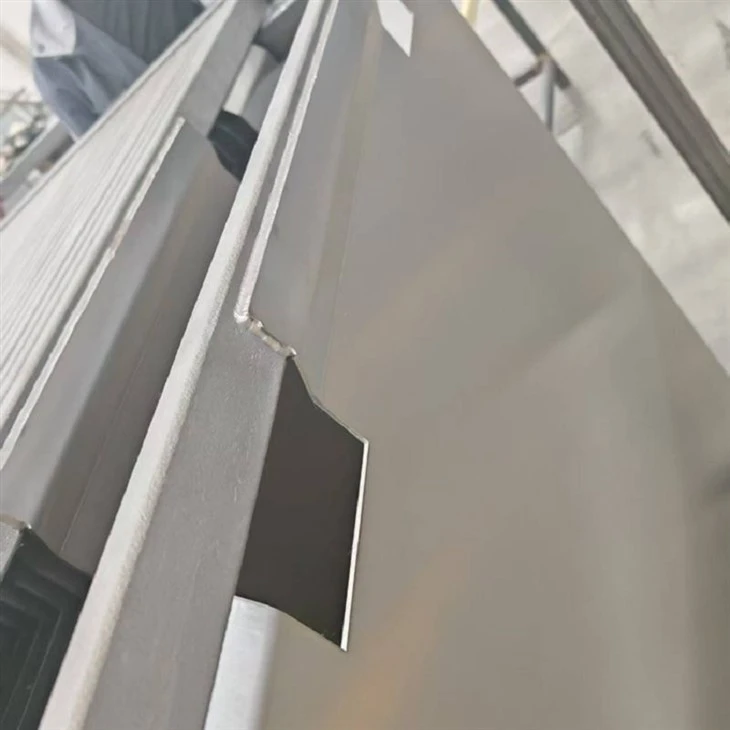

The Perforated Titanium Cathode Plate with Ears is another option. The perforations on the plate can enhance the electrolyte flow and increase the surface area available for the electrolysis reaction. The ears on the plate are useful for easy installation and connection in the electrolysis cell.
The Window - type Titanium Cathode Plate also has its own advantages. The window - like openings in the plate can improve the electrolyte circulation and reduce the resistance during the electrolysis process.
Conclusion
In conclusion, the differences between vest - type and non - vest - type titanium cathode plates are significant in terms of structural design, electrolysis performance, application scenarios, durability, and cost. As a supplier of Vest - type Titanium Cathode Plates, I understand the unique needs of different industries and applications. Whether you are looking for high - precision electrolysis or a cost - effective solution, we can provide the right titanium cathode plate for you.
If you are interested in learning more about our Vest - type Titanium Cathode Plates or have any questions regarding the selection of the appropriate cathode plate for your application, please feel free to contact us for a detailed discussion and procurement negotiation. We are committed to providing high - quality products and excellent service to meet your specific requirements.
References
- Some textbooks on electrochemistry and electrolysis technology for understanding the basic principles of titanium cathode plate applications.
- Industry reports on the development and application of titanium cathode plates in different industries.


