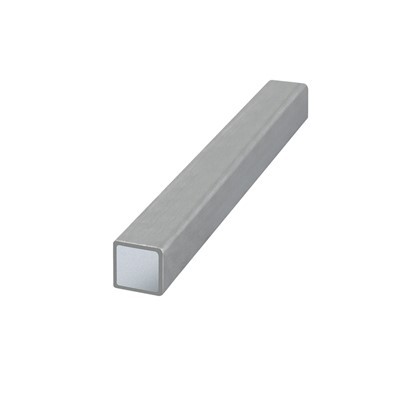
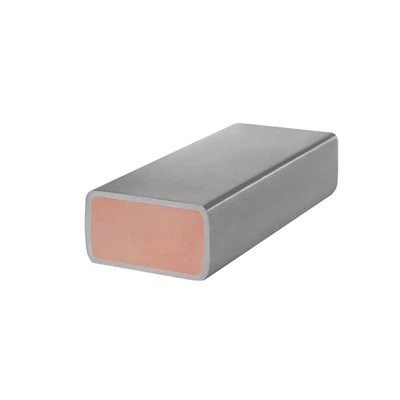
Hey there! As a supplier of Niobium Clad Copper Bar, I often get asked about the electrical resistivity of this unique product. So, let's dive right into it and explore what makes the electrical resistivity of Niobium Clad Copper Bar so interesting.
First off, let's understand what electrical resistivity is. In simple terms, electrical resistivity is a measure of how strongly a material opposes the flow of electric current. It's like a roadblock for electrons. The higher the resistivity, the more difficult it is for electricity to pass through the material.
Now, let's talk about Niobium Clad Copper Bar. This is a composite material where a layer of niobium is bonded to a copper bar. Copper is well - known for its excellent electrical conductivity. It has a very low electrical resistivity, which means electrons can move through it quite easily. On the other hand, niobium also has some interesting electrical properties.
Niobium is a transition metal. It has a relatively low electrical resistivity compared to many other metals, but it's higher than that of copper. When we combine niobium and copper in a clad bar, we get a material that combines the best of both worlds.
The electrical resistivity of Niobium Clad Copper Bar depends on several factors. One of the main factors is the thickness of the niobium layer. If the niobium layer is thick, it will contribute more to the overall resistivity of the bar. Conversely, a thinner niobium layer will have less of an impact on the resistivity, and the bar will behave more like pure copper in terms of electrical conductivity.
Another factor is the quality of the bonding between the niobium and the copper. A good bond ensures that the electrons can move smoothly between the two materials. If the bond is poor, there may be some resistance at the interface, which can increase the overall resistivity of the bar.
Let's compare Niobium Clad Copper Bar with some other clad bars. For example, Nickel Clad Copper Bar. Nickel has a higher electrical resistivity than copper, similar to niobium. But the properties of nickel are different from niobium. Nickel - clad copper bars are often used in applications where corrosion resistance is important, while Niobium Clad Copper Bar is more focused on its unique electrical and superconducting properties.
Then there's the Titanium Clad Copper Bar. Titanium has a relatively high electrical resistivity compared to copper. Titanium - clad copper bars are used in applications where high strength and corrosion resistance are required. The electrical resistivity of a Titanium Clad Copper Bar will be influenced by the thickness of the titanium layer, just like in the case of Niobium Clad Copper Bar.
And don't forget the Stainless Steel - clad Copper - clad Steel Bar. Stainless steel has a higher resistivity than copper, and the combination of these materials in a clad bar results in a product with different electrical properties. The resistivity of this bar will also depend on the thickness and quality of the stainless - steel and copper layers.
In practical applications, the electrical resistivity of Niobium Clad Copper Bar is crucial. For example, in superconducting applications, niobium can be used to create a superconducting layer when cooled to very low temperatures. The copper layer provides a good electrical path for normal - state currents and helps with heat dissipation.
The electrical resistivity of Niobium Clad Copper Bar also affects its use in electrical connectors. A lower resistivity means less energy is lost as heat during the flow of current, which is important for efficient operation. In high - power electrical systems, this can lead to significant energy savings.
If you're in the market for Niobium Clad Copper Bar or any of the other clad bars I mentioned, you're in the right place. As a supplier, I can offer you high - quality products that meet your specific requirements. Whether you need a certain thickness of the niobium layer or a particular size of the bar, we can customize it for you.
We understand that different applications have different needs when it comes to electrical resistivity. That's why we work closely with our customers to ensure that the product we provide is the best fit for their projects. Whether you're in the electronics industry, the power generation sector, or any other field that requires high - performance electrical materials, we've got you covered.


So, if you're interested in learning more about Niobium Clad Copper Bar or want to discuss a potential purchase, don't hesitate to reach out. We're here to answer all your questions and help you find the perfect solution for your electrical needs.
References:
- "Handbook of Electrical Conductivity of Metals and Alloys"
- "Materials Science for Electrical Engineers"