Hey there! As a supplier of insulating edge strips, I often get asked about the dielectric constant of these products. Today, I'm gonna dive deep into the question: Do insulating edge strips have a low dielectric constant?
Let's start with the basics. What is a dielectric constant? In simple terms, the dielectric constant, also known as relative permittivity, is a measure of how well a material can store electrical energy in an electric field. A lower dielectric constant means that the material is less likely to store electrical energy and more likely to allow an electric field to pass through it.
When it comes to insulating edge strips, having a low dielectric constant is crucial. Why? Well, in many electrical applications, we want to minimize the amount of electrical energy that is stored in the insulating material. This helps to reduce the risk of electrical breakdown, improve the efficiency of the electrical system, and prevent interference between different components.
Now, let's take a look at some of the materials commonly used in insulating edge strips and their dielectric constants.
Polypropylene (PP) Insulating Edge Strips
PP is a popular material for insulating edge strips due to its excellent electrical insulation properties, chemical resistance, and mechanical strength. PP has a relatively low dielectric constant, typically in the range of 2.2 - 2.6 at room temperature. This low dielectric constant makes PP insulating edge strips a great choice for applications where low electrical loss is required.
For example, our PP Insulating Edge Strips with 18mm Slot and PP InsulatingEdge Strips with 9mm Slot are made from high - quality PP. They offer reliable insulation with a low dielectric constant, ensuring that your electrical systems operate smoothly and efficiently.
Polyphenylene Oxide (PPO) Insulating Edge Strips
PPO is another material that is widely used in insulating edge strips. PPO has a very low dielectric constant, usually around 2.5 - 2.6 at room temperature. In addition to its low dielectric constant, PPO also has excellent thermal stability, flame resistance, and mechanical properties.
Our PPO Insulating Edge Strips with 12mm Slot are a prime example of the benefits of using PPO. They provide superior insulation performance, especially in high - frequency applications where a low dielectric constant is essential.
Factors Affecting the Dielectric Constant of Insulating Edge Strips
The dielectric constant of insulating edge strips can be affected by several factors. Temperature is one of the most significant factors. As the temperature increases, the dielectric constant of most materials tends to increase as well. This is because higher temperatures can cause the molecules in the material to vibrate more, which in turn affects the material's ability to store electrical energy.
Frequency is another important factor. At higher frequencies, the dielectric constant of a material may change due to the different responses of the material's molecules to the alternating electric field. In general, the dielectric constant of insulating edge strips may decrease slightly at higher frequencies.
The moisture content of the material can also have an impact on the dielectric constant. Moisture can increase the dielectric constant of the material, as water is a polar molecule that can store electrical energy. Therefore, it's important to keep insulating edge strips dry to maintain their low dielectric constant.
Applications of Insulating Edge Strips with Low Dielectric Constant
Insulating edge strips with a low dielectric constant are used in a wide range of applications. In the electronics industry, they are used in printed circuit boards (PCBs) to provide insulation between different layers and components. A low dielectric constant helps to reduce signal loss and interference, ensuring that the electrical signals can be transmitted accurately.

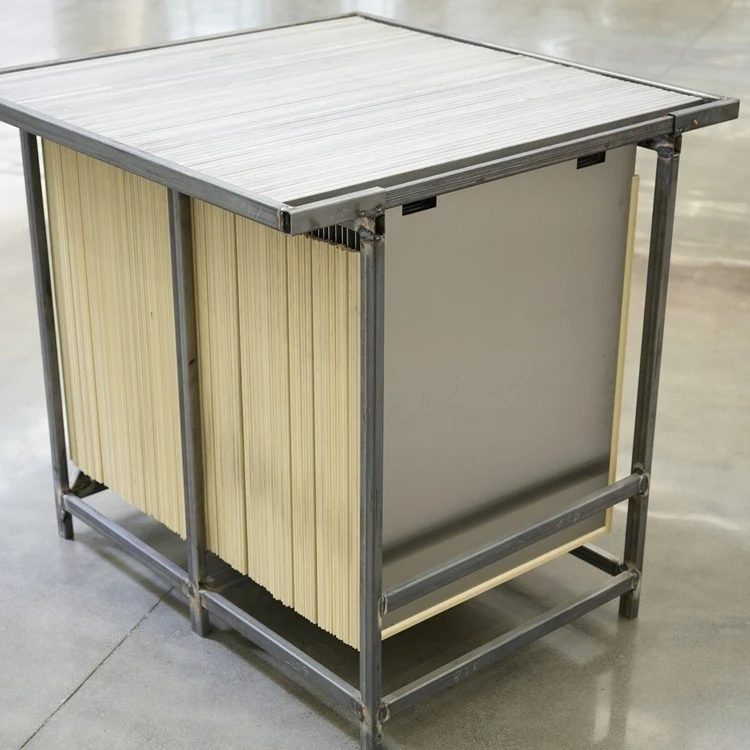
In the power industry, insulating edge strips are used in transformers, switchgear, and other electrical equipment. The low dielectric constant helps to improve the efficiency of the equipment and reduce the risk of electrical breakdown.
Conclusion
So, to answer the question "Do insulating edge strips have a low dielectric constant?" - yes, many insulating edge strips, especially those made from materials like PP and PPO, do have a low dielectric constant. This low dielectric constant is essential for ensuring the proper functioning of electrical systems, reducing electrical loss, and preventing interference.
If you're in the market for high - quality insulating edge strips with a low dielectric constant, we've got you covered. We offer a wide range of products, including the ones I mentioned above, that are designed to meet your specific needs. Whether you're working on a small electronics project or a large - scale power system, our insulating edge strips can provide reliable insulation and performance.
If you're interested in learning more about our products or have any questions, feel free to reach out. We're always happy to help you find the right insulating edge strips for your application. Let's start a conversation and see how we can work together to meet your insulation needs.
References
- "Electrical Insulation Handbook", various authors
- Manufacturer data sheets for PP and PPO materials