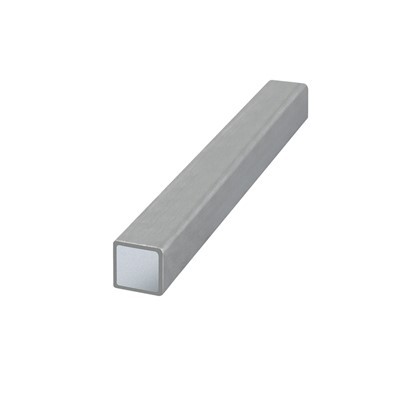
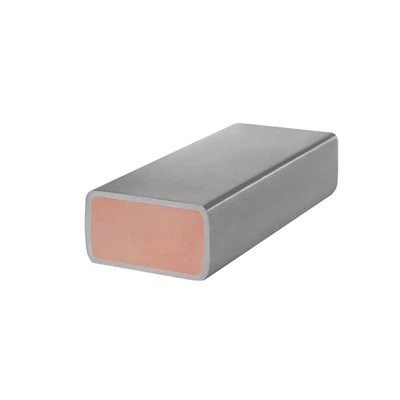
Hey there! As a supplier of Nickel Clad Copper Bars, I often get asked about the difference between electroplated nickel clad copper bars and mechanically clad ones. So, I thought I'd write this blog to break it down for you.
Let's start with electroplated nickel clad copper bars. Electroplating is a process where a thin layer of nickel is deposited onto the surface of a copper bar using an electric current. This method is pretty common because it's relatively easy and cost - effective.


One of the big advantages of electroplated nickel clad copper bars is the smooth and uniform finish. The electroplating process can create a very even layer of nickel, which is great for applications where appearance matters. For example, in some decorative or consumer electronics, the smooth surface can enhance the overall look of the product.
Another plus is the ability to control the thickness of the nickel layer precisely. You can adjust the plating time and current to get the exact thickness you need. This is crucial in industries like the semiconductor industry, where precise specifications are a must.
However, electroplated nickel clad copper bars also have their drawbacks. The nickel layer is usually quite thin, typically in the range of a few micrometers. This thin layer may not provide as much protection against corrosion in harsh environments. Over time, the thin nickel layer can wear off, exposing the copper underneath and leading to oxidation.
Now, let's talk about mechanically clad nickel clad copper bars. Mechanical cladding involves physically bonding a layer of nickel to the copper bar through processes like rolling or extrusion. This creates a much thicker and more robust bond between the nickel and the copper.
The main advantage of mechanically clad nickel clad copper bars is their durability. The thicker nickel layer provides excellent corrosion resistance, making them ideal for applications in harsh industrial environments, such as chemical processing plants or marine applications. The strong bond between the nickel and copper also means that the cladding is less likely to delaminate or peel off, even under high - stress conditions.
Mechanically clad bars also have better thermal and electrical conductivity compared to electroplated ones. The thicker nickel layer can handle higher currents without overheating, which is important in power distribution systems.
But mechanically clad nickel clad copper bars aren't without their cons. The manufacturing process is more complex and expensive. It requires specialized equipment and skilled operators, which drives up the cost. Also, the surface finish of mechanically clad bars may not be as smooth as electroplated ones. This can be a drawback in applications where a smooth surface is necessary.
In terms of applications, electroplated nickel clad copper bars are commonly used in consumer electronics, like smartphones and laptops. Their smooth finish and precise thickness control make them a good fit for these applications. They're also used in some decorative applications, such as jewelry or architectural elements.
On the other hand, mechanically clad nickel clad copper bars are used in heavy - duty industrial applications. They're found in power generation plants, where they can handle high - voltage and high - current applications. They're also used in the automotive industry, especially in parts that need to withstand high temperatures and corrosive substances.
If you're considering other types of clad bars, we also offer Titanium Clad Aluminum Bar, Stainless Steel Clad Aluminum Bar, and Titanium Clad Copper Bar. These bars have their own unique properties and are suitable for different applications.
So, which type of nickel clad copper bar is right for you? It really depends on your specific application requirements. If you need a smooth finish and precise thickness control, electroplated bars might be the way to go. But if you need high durability and corrosion resistance in harsh environments, mechanically clad bars are the better choice.
If you're interested in purchasing nickel clad copper bars or any of our other clad bar products, I'd love to have a chat with you. We can discuss your specific needs and find the best solution for your project. Whether you're a small - scale manufacturer or a large industrial company, we're here to help.
References
- "Handbook of Metal Cladding Technology"
- "Electroplating Principles and Practices"
So, don't hesitate to reach out and start a conversation about your clad bar needs!