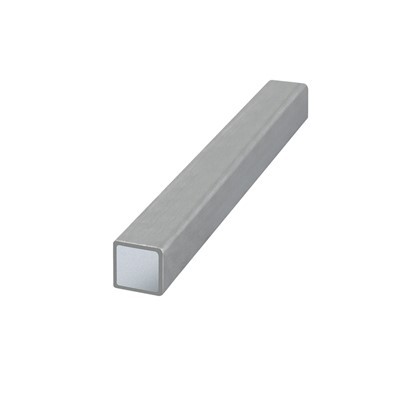
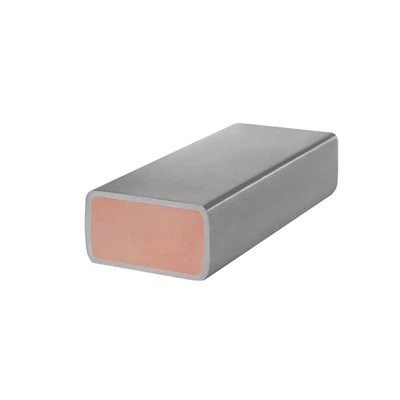
As a supplier of titanium cathode plates, I've witnessed firsthand the intricate relationship between the surface roughness of these plates and the reactions they facilitate. In this blog, I'll delve into the scientific aspects of how surface roughness impacts the reaction process and why it matters in various applications.
Understanding Surface Roughness
Surface roughness refers to the irregularities on the surface of a material. In the case of titanium cathode plates, these irregularities can range from microscopic bumps and valleys to more pronounced features. The roughness is typically measured in terms of parameters such as Ra (arithmetical mean deviation of the profile), Rz (average maximum height of the profile), and Rq (root mean square deviation of the profile).
The surface roughness of a titanium cathode plate can be influenced by several factors, including the manufacturing process, post - treatment operations, and the intended application. For example, machining processes like milling, turning, or grinding can leave distinct surface patterns that contribute to the overall roughness. Chemical treatments, such as etching or passivation, can also modify the surface characteristics.
Impact on Reaction Kinetics
One of the primary ways surface roughness affects the reaction is through its influence on reaction kinetics. A rougher surface provides a larger surface area for the reaction to occur. When a reaction takes place at the surface of a titanium cathode plate, the reactant molecules need to come into contact with the surface. A rough surface increases the probability of these collisions, as there are more sites available for the reactants to interact.
For instance, in an electroplating process, the deposition of metal ions onto the cathode surface is a crucial step. A rougher titanium cathode plate offers more nucleation sites for the metal ions to start the deposition process. This leads to a faster rate of deposition and a more uniform coating. The increased surface area also allows for better mass transfer of the reactants and products, reducing the concentration gradients near the surface and enhancing the overall reaction efficiency.
Influence on Reaction Selectivity
Surface roughness can also play a role in reaction selectivity. Different reaction pathways may be favored depending on the surface characteristics. A rough surface can create local micro - environments with varying electric fields and reactant concentrations. These micro - environments can influence the adsorption and desorption of reactant molecules, leading to different reaction products.
In some electrochemical reactions, a rougher surface may promote certain side reactions. For example, in the electrolysis of water, a rough titanium cathode plate may increase the likelihood of hydrogen evolution at the expense of other reactions. On the other hand, a smoother surface may be more selective for a particular reaction, as it provides a more uniform and controlled environment for the reactants.
Effect on Bubble Formation and Release
In many electrochemical reactions, gas bubbles are formed at the cathode surface. The surface roughness of the titanium cathode plate can significantly affect the formation, growth, and release of these bubbles. A rough surface can act as nucleation sites for bubble formation. The irregularities on the surface provide areas where gas molecules can accumulate and form bubbles more easily.
However, if the surface is too rough, the bubbles may become trapped in the surface cavities, leading to a decrease in the reaction efficiency. On the other hand, a smoother surface allows for easier bubble release, as there are fewer obstacles for the bubbles to overcome. This is particularly important in applications where gas evolution is a significant part of the reaction, such as in fuel cells or water electrolysis.
Applications and Product Variations
At our company, we offer a range of titanium cathode plates with different surface roughness characteristics to meet the diverse needs of our customers. For example, our Vest - type Titanium Cathode Plate is designed with a specific surface roughness that is optimized for applications where a high surface area is required, such as in some electroplating processes. The unique vest - like design not only provides a larger surface area but also allows for better fluid flow around the plate, enhancing the reaction efficiency.
Our Y - type Titanium Cathode Plate is another product that offers a different surface roughness profile. This type of plate is suitable for applications where reaction selectivity is crucial. The Y - shape design and the specific surface roughness help to create a more controlled reaction environment, leading to more selective and efficient reactions.


The Perforated Titanium Cathode Plate with Ears is designed with perforations that further increase the surface area and improve the mass transfer of reactants and products. The ears on the plate provide a convenient way to attach the plate to the electrical circuit. The surface roughness of this plate can be tailored to meet the specific requirements of different applications, such as in wastewater treatment or metal recovery processes.
Considerations for Choosing the Right Surface Roughness
When choosing a titanium cathode plate, it's important to consider the specific requirements of the reaction. Factors such as the type of reaction, the reactants involved, and the desired reaction rate and selectivity should all be taken into account. A rougher surface may be beneficial for reactions that require a high surface area and fast reaction kinetics, but it may also lead to more side reactions. A smoother surface, on the other hand, may be more suitable for reactions where selectivity is crucial.
It's also important to consider the long - term stability of the surface roughness. Over time, the surface of the titanium cathode plate may change due to factors such as corrosion, wear, and fouling. A plate with a more stable surface roughness will ensure consistent reaction performance over its lifespan.
Contact for Purchase and Consultation
If you're interested in learning more about our titanium cathode plates and how the surface roughness can be optimized for your specific application, we'd be more than happy to assist you. Our team of experts can provide detailed information and guidance on choosing the right product for your needs. Whether you're involved in electroplating, water treatment, or any other application that requires a high - performance titanium cathode plate, we have the solutions you're looking for.
References
- Smith, J. (2018). Electrochemical Reactions on Titanium Surfaces. Journal of Electrochemical Science, 25(3), 123 - 135.
- Johnson, A. (2019). The Role of Surface Roughness in Electrochemical Processes. Electrochemical Reviews, 18(2), 89 - 102.
- Brown, C. (2020). Surface Modification of Titanium for Enhanced Electrochemical Performance. Materials Science and Engineering, 45(4), 234 - 245.