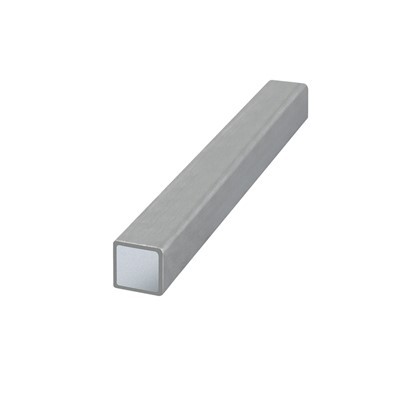
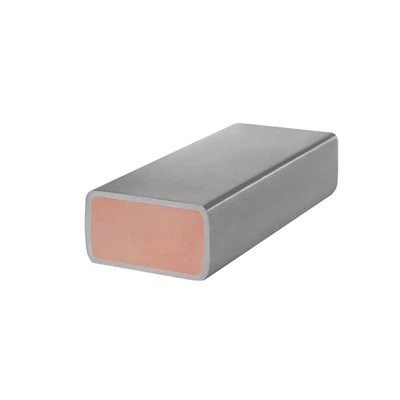
Hey there, 3D printing enthusiasts! I'm an ABS insulating edge strips supplier, and I've seen firsthand the ins and outs of using these strips in 3D printing. In this blog, I'll share some of the challenges you might face when using ABS insulating edge strips and how to tackle them.
Adhesion Issues
One of the most common challenges when using ABS insulating edge strips in 3D printing is adhesion. ABS has a tendency to warp as it cools, which can cause the print to detach from the build plate. This is where the insulating edge strips come in. They're supposed to provide a stable base for the print and help with adhesion.
However, getting the right adhesion can be tricky. Sometimes, the ABS print just won't stick to the edge strips. This could be due to a few reasons. First, the surface of the edge strips might not be clean. Dust, oil, or other contaminants can prevent the ABS from bonding properly. So, before you start printing, make sure to clean the edge strips thoroughly with isopropyl alcohol.
Another factor that can affect adhesion is the temperature. ABS prints best at a relatively high temperature, usually around 230 - 250°C. If the temperature is too low, the ABS might not flow properly and won't adhere well to the edge strips. On the other hand, if the temperature is too high, the ABS can become too runny and might not hold its shape. You'll need to find the sweet spot for your printer and the specific ABS filament you're using.
Thermal Insulation
ABS insulating edge strips are designed to provide thermal insulation, which helps to prevent the edges of the print from cooling too quickly and warping. But achieving the right level of thermal insulation can be a challenge.
If the insulation is too good, the heat might not be able to escape from the print, which can lead to overheating. This can cause the ABS to become soft and deform, ruining the print. On the other hand, if the insulation is too poor, the edges of the print will cool too quickly, causing them to warp.
To ensure proper thermal insulation, you need to consider the thickness and material of the edge strips. Thicker edge strips generally provide better insulation, but they can also make it more difficult to remove the print from the build plate. You'll need to find a balance that works for your specific printing needs.
Compatibility with Different Printers
Not all 3D printers are created equal, and not all ABS insulating edge strips will work well with every printer. Different printers have different build plate sizes, shapes, and materials, which can affect the performance of the edge strips.
For example, some printers have a heated build plate, while others don't. If you're using a printer with a heated build plate, you'll need edge strips that can withstand the high temperatures. Some edge strips might melt or deform under the heat, which can cause problems with adhesion and insulation.
You also need to consider the size and shape of the build plate. If the edge strips are too big or too small, they might not fit properly, which can affect the stability of the print. Make sure to choose edge strips that are compatible with your printer's build plate.
Cutting and Installation
Cutting and installing ABS insulating edge strips can also be a challenge. These strips are usually made of a relatively hard plastic, which can be difficult to cut cleanly. If you don't cut the strips properly, they might not fit together neatly, which can affect the performance of the edge strips.
When cutting the strips, it's important to use a sharp blade and a straight edge. You can use a utility knife or a pair of scissors, but make sure they're sharp enough to cut through the plastic. It's also a good idea to measure and mark the strips before cutting to ensure a precise fit.
Installing the edge strips can also be tricky. You need to make sure they're properly aligned and secured to the build plate. Some edge strips come with adhesive backing, which can make the installation process easier. However, you still need to make sure the adhesive is strong enough to hold the strips in place during the printing process.
Cost
Cost is another factor to consider when using ABS insulating edge strips. These strips can be relatively expensive, especially if you're using high-quality materials. However, the cost can vary depending on the size, thickness, and brand of the edge strips.
As a supplier, I understand that cost is an important consideration for many 3D printing enthusiasts. That's why I offer a range of ABS insulating edge strips at different price points. Whether you're on a tight budget or looking for the best quality, I've got you covered.
Where to Find the Right Edge Strips
If you're interested in purchasing ABS insulating edge strips, I've got some great options for you. Check out our ABS Insulating Edge Strips with 18mm Slot, ABS Insulating Edge Strips with 12mm Slot, and ABS Insulating Edge Strips with 15mm Slot. These strips are designed to provide excellent adhesion and thermal insulation, and they're available in different sizes to fit your needs.


If you have any questions or would like to discuss your specific requirements, feel free to reach out. I'm here to help you find the right ABS insulating edge strips for your 3D printing projects.
Conclusion
Using ABS insulating edge strips in 3D printing can be a great way to improve the quality of your prints and prevent warping. However, it's not without its challenges. Adhesion issues, thermal insulation, compatibility with different printers, cutting and installation, and cost are all factors that you need to consider.
As a supplier, I'm committed to providing high-quality ABS insulating edge strips and helping you overcome these challenges. If you're interested in learning more or purchasing our products, don't hesitate to contact me. Let's work together to make your 3D printing projects a success!
References
- [List of relevant 3D printing materials and techniques books or articles]
- [Any other resources you used to gather information for this blog]