As a supplier of Lead - Antimony Anode Plates, I understand the importance of cost - effectiveness in the industry. Lead - Antimony Anode Plates have long been used in various electrolytic processes, but there are situations where more cost - effective alternatives might be needed. In this blog, we will explore some of these alternatives and their potential benefits.


Titanium - Based Alternatives
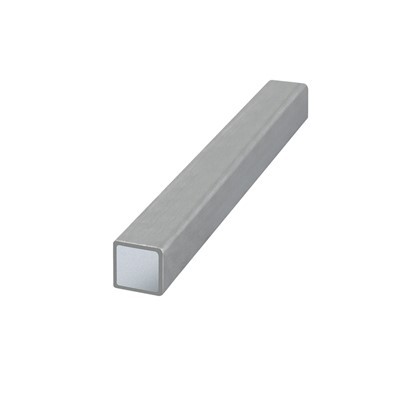
Titanium Anode Basket For Electrolytic Cobalt
One of the notable cost - effective alternatives is the Titanium Anode Basket For Electrolytic Cobalt. Titanium is known for its excellent corrosion resistance, which makes it a great choice for electrolytic applications. Unlike lead - antimony anode plates, titanium anodes can withstand harsh chemical environments without significant degradation.
In electrolytic cobalt production, the use of titanium anode baskets can lead to several advantages. Firstly, titanium has a high strength - to - weight ratio, which means that less material is needed to achieve the same level of performance. This can result in cost savings in terms of raw material procurement. Secondly, the long - term durability of titanium reduces the frequency of anode replacement, further cutting down on maintenance and replacement costs.
The titanium anode basket is designed to hold the anode material in a secure and efficient manner. It allows for better distribution of the electric current during the electrolytic process, leading to more uniform deposition of cobalt. This not only improves the quality of the final product but also increases the overall efficiency of the production process.
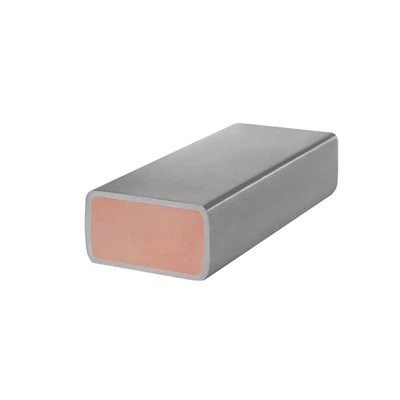
New - Type Titanium Anode Plate With Manganese Dioxide Coating
Another promising alternative is the New - Type Titanium Anode Plate With Manganese Dioxide Coating. This type of anode plate combines the benefits of titanium with the catalytic properties of manganese dioxide.
The manganese dioxide coating on the titanium anode plate enhances the electrochemical reaction during electrolysis. It can lower the overpotential, which means less energy is required to drive the electrolytic process. This energy efficiency is a significant cost - saving factor, especially in large - scale industrial operations.
Moreover, the titanium substrate provides a stable and corrosion - resistant base for the coating. This ensures the longevity of the anode plate, reducing the need for frequent replacements. The new - type titanium anode plate with manganese dioxide coating can be used in a variety of electrolytic applications, such as electroplating and metal refining.
Lead - Based Alternatives
Lead - Silver - Calcium - Cesium Anode Plate
The Lead - Silver - Calcium - Cesium Anode Plate is also a cost - effective alternative to the traditional Lead - Antimony Anode Plate. This alloy anode plate offers improved performance in terms of corrosion resistance and electrical conductivity.
The addition of silver, calcium, and cesium to the lead matrix enhances the mechanical and electrochemical properties of the anode plate. Silver improves the electrical conductivity, which can lead to more efficient electrolysis. Calcium and cesium contribute to the formation of a stable oxide layer on the anode surface, reducing corrosion and extending the lifespan of the anode plate.
Compared to Lead - Antimony Anode Plates, the Lead - Silver - Calcium - Cesium Anode Plate can provide better performance at a relatively lower cost. It is suitable for applications where high - quality electrolysis is required, such as in the production of high - purity metals.
Cost - Benefit Analysis
When considering cost - effective alternatives to Lead - Antimony Anode Plates, it is essential to conduct a comprehensive cost - benefit analysis. The initial cost of the alternative anode materials may vary, but the long - term savings in terms of maintenance, energy consumption, and product quality should be taken into account.
For example, although titanium - based anodes may have a higher upfront cost compared to lead - antimony anode plates, their long - term durability and energy efficiency can result in significant cost savings over time. On the other hand, the Lead - Silver - Calcium - Cesium Anode Plate offers a good balance between cost and performance, making it a viable option for many applications.
Conclusion
In conclusion, there are several cost - effective alternatives to Lead - Antimony Anode Plates available in the market. Titanium - based anodes, such as the Titanium Anode Basket For Electrolytic Cobalt and the New - Type Titanium Anode Plate With Manganese Dioxide Coating, offer excellent corrosion resistance and energy efficiency. The Lead - Silver - Calcium - Cesium Anode Plate provides a cost - effective solution with improved performance.
As a supplier of Lead - Antimony Anode Plates, I am also well - versed in these alternative products. If you are interested in exploring these cost - effective alternatives for your electrolytic processes, I encourage you to contact me for further discussion and procurement. We can work together to find the most suitable anode solution for your specific needs.
References
- Electrochemical Engineering Principles, Third Edition, by John Newman and Karen E. Thomas --Alyea
- Handbook of Electroplating Engineering, edited by Paul B. Murch
- Corrosion and Corrosion Control, Fourth Edition, by H. H. Uhlig and R. W. Revie