Can insulating edge strips be used outdoors? That's a question I get asked a lot as a supplier of insulating edge strips. And the answer isn't as straightforward as you might think.
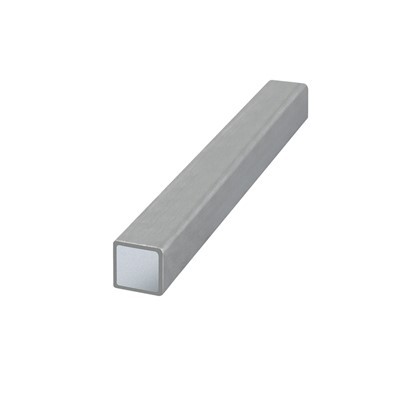
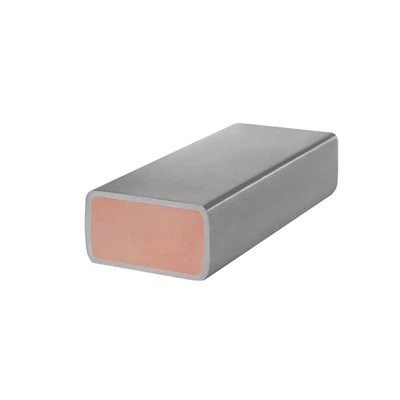
Let's start by understanding what insulating edge strips are. They're basically strips made from materials like polypropylene (PP) or acrylonitrile butadiene styrene (ABS) that are designed to provide insulation. They come in different sizes and slot widths, like the PP InsulatingEdge Strips with 9mm Slot, PP Insulating Edge Strips with 18mm Slot, and ABS Insulating Edge Strips with 15mm Slot. These strips are commonly used in construction and other industries to prevent heat transfer and reduce energy loss.
Now, can they be used outdoors? Well, it depends on a few factors.
Material Durability
The first thing to consider is the durability of the material. Outdoor conditions can be harsh. You've got to deal with things like sunlight, rain, wind, and temperature changes. Some materials are better suited for outdoor use than others.
PP insulating edge strips are pretty tough. Polypropylene is resistant to many chemicals and has a good level of flexibility. It can handle a fair amount of wear and tear. However, prolonged exposure to UV rays can cause it to degrade over time. If you're using PP edge strips outdoors, it's a good idea to choose ones that have UV stabilizers added. This will help protect them from the sun's harmful rays and extend their lifespan.
ABS is another material used for insulating edge strips. It's known for its strength and impact resistance. ABS can also withstand a wide range of temperatures, which makes it a good candidate for outdoor applications. But like PP, it can be affected by UV light. So, just like with PP, you'll want to look for ABS edge strips that are UV - resistant.
Weather Resistance
Weather plays a huge role in determining whether insulating edge strips can be used outdoors. Rain is a big factor. If the edge strips aren't water - resistant, they can absorb water, which can lead to mold growth and a decrease in insulation performance.
Most of the high - quality insulating edge strips we supply are designed to be water - resistant. They have a tight seal that prevents water from seeping in. But it's still important to make sure they're installed correctly. For example, if they're used around windows or doors, proper caulking and sealing can help keep water out.
Temperature changes are also a concern. In cold weather, the material can become brittle, and in hot weather, it can expand. This can cause the edge strips to lose their shape and effectiveness. That's why it's crucial to choose edge strips that can handle the temperature range in your area.
Installation and Maintenance
Proper installation is key when using insulating edge strips outdoors. If they're not installed correctly, they won't perform as well. Make sure the surface where you're installing the strips is clean, dry, and smooth. This will help the strips adhere properly.
Maintenance is also important. You should regularly check the edge strips for any signs of damage, such as cracks or peeling. If you notice any issues, it's best to replace the damaged sections as soon as possible.

Applications
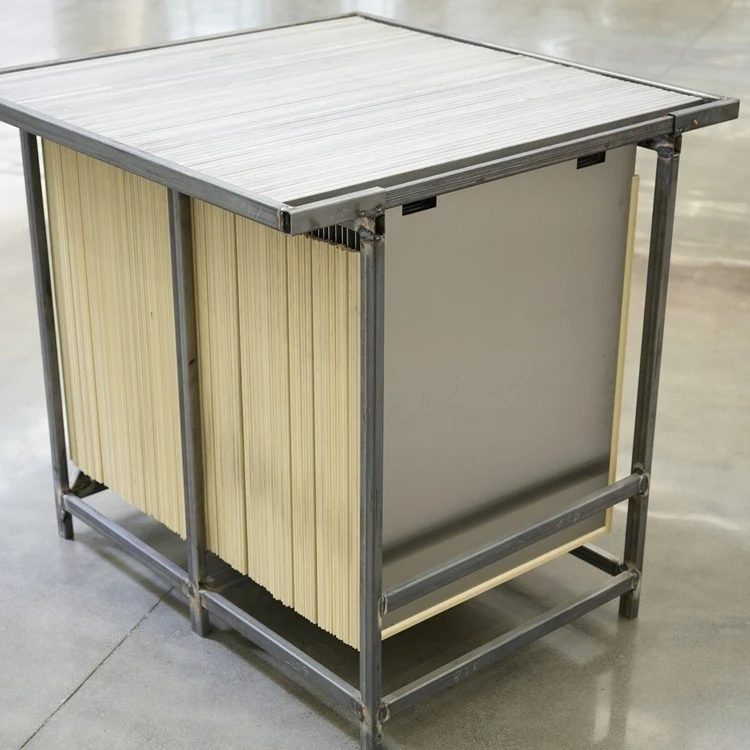
There are actually quite a few outdoor applications for insulating edge strips. They can be used around the edges of windows and doors to prevent air leakage and improve energy efficiency. They're also great for use in outdoor enclosures, like sheds or greenhouses. In these applications, they help keep the interior temperature stable.
Another use is in outdoor electrical equipment. Insulating edge strips can be used to protect electrical components from the elements and prevent short - circuits.
Advantages of Using Insulating Edge Strips Outdoors
Using insulating edge strips outdoors has several advantages. First of all, they can help save energy. By reducing heat transfer, they can lower your heating and cooling costs. They also provide an extra layer of protection for your outdoor structures. For example, they can prevent water from seeping into the building, which can help prevent damage to the walls and floors.
In addition, they can improve the overall comfort of your outdoor spaces. Whether it's a patio or a shed, insulating edge strips can make the area more pleasant to be in.
Conclusion
So, can insulating edge strips be used outdoors? The answer is yes, but with some considerations. You need to choose the right material, make sure it's installed correctly, and perform regular maintenance. If you do all these things, insulating edge strips can be a great addition to your outdoor projects.
If you're interested in purchasing insulating edge strips for your outdoor needs, feel free to reach out to us. We're here to help you find the right product for your specific requirements. Whether you need PP InsulatingEdge Strips with 9mm Slot, PP Insulating Edge Strips with 18mm Slot, or ABS Insulating Edge Strips with 15mm Slot, we've got you covered.
References
- "Plastics in Construction: Properties and Applications" by John A. Brydson
- "Building Envelope Design Guide" by the American Institute of Architects